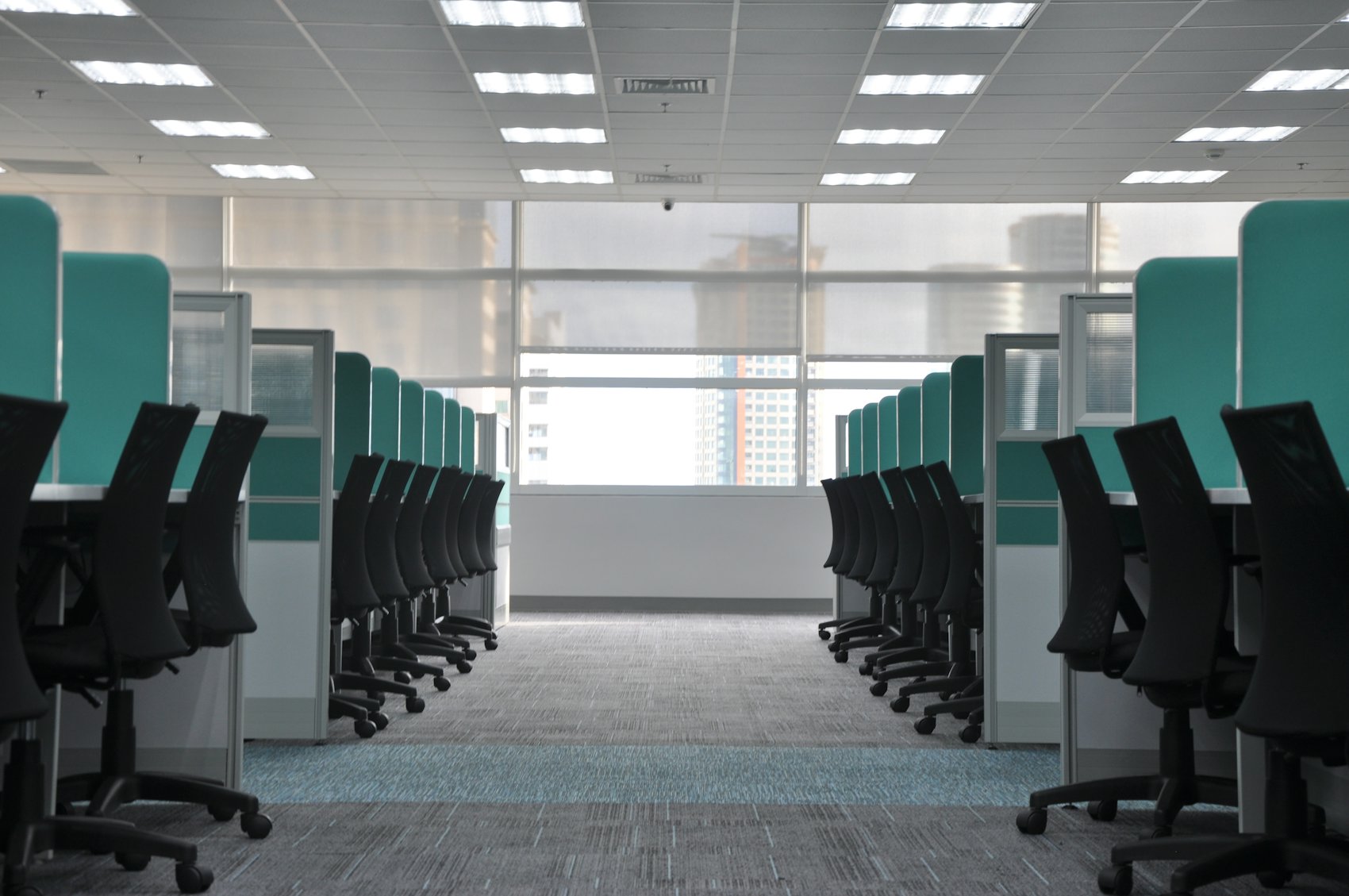
Photo: DPPed, CC BY-SA 3.0, via Wikimedia Commons
Short answer: Office Station relocates office furniture for Glendale, AZ offices, whether the move is across Arrowhead, down the Loop 101 corridor, out of a Westgate floor or from a flex suite near the airport. Crews inventory and tag what you own, take it down, move it and reinstall it to the plan for the new space, reconfigured where the layout changes. Gaps are filled with matching pre-owned, remanufactured or new furniture, and the old suite can be cleaned out on the same schedule. Move dates near Westgate are checked against the State Farm Stadium and Desert Diamond Arena event calendars. Every project is quoted individually. Call 602-703-4000 and ask for Tony.
- What a Glendale furniture relocation covers
- Moving offices by part of Glendale
- Scheduling around stadium and arena events
- Move it, reconfigure it, add to it or clear it
- How move day runs
- Cleaning out the old suite
- Moves into Peoria, Surprise and Goodyear
- What to send for a quote
What a Glendale furniture relocation covers
An office move has three furniture problems in it: the pieces that make the trip, the pieces that stay behind, and the pieces the new space needs that you do not own yet. General movers handle boxes and loose furniture well. Systems furniture is different. Cubicle runs have to be taken apart in the right order, kept together by cluster and put back up square and level, with power reconnected. That is the part Office Station does.
A typical Glendale relocation includes:
- A walkthrough of the current office and, when it is available, the new space
- A space plan for the new office drawn around the furniture you already own
- An inventory with tags tied to zones on the new floor plan
- Teardown, protection, loading and transport
- Reinstallation and reconfiguration at the new address
- Matching gap-fill furniture where the plan calls for it
- An optional clean out of the old suite
Your staff or a household-style mover usually packs files, IT equipment and personal items, and the two schedules are set together so the furniture crew is not waiting on boxes. Powered panels are disconnected and reconnected by an electrician, quoted as its own line. For the wider picture of a move, including IT and lease steps, see corporate relocation and the Phoenix office relocation checklist.
Moving offices by part of Glendale
Glendale's office space is spread out, and the building type changes a lot from one part of the city to the next. That affects loading, crew size and work hours more than the distance of the move does.
Arrowhead and the Loop 101 corridor
Around Arrowhead and along the Loop 101 between Bell Road and the Northern Avenue area, most offices are low-rise and mid-rise professional buildings: medical and dental suites, insurance and financial offices, regional sales teams and back-office operations. Many have surface parking and no true dock, so trucks load by liftgate from the lot. Medical suites usually want move work done outside patient hours, and shared lobbies may limit when carts can roll through. Furniture in these offices is often smaller runs and private-office casegoods, which move quickly but need careful tagging so each office goes back together the same way.
Westgate and the sports and entertainment district
The newer office buildings around Westgate hold larger corporate floors and open-plan teams, often with matched systems furniture across a whole floor. These are the moves where tagging by run matters most, because dozens of identical stations have to go back up in the right clusters. The district is also where traffic and parking change completely on event days, which is covered in its own section below.
Glendale Municipal Airport and the industrial areas
Around the airport and the industrial parks west toward the Loop 303, offices are frequently attached to warehouses, light manufacturing and distribution sites. These moves tend to have good truck access and a dock, but they add site rules: check-in at a gate, safety gear on the floor, and forklift traffic to work around. Office areas here often need durable workstations and taller panels near production, and a move is a good time to rework the layout around how the site actually runs.
Downtown Glendale and older buildings
Older one- and two-story buildings closer to the historic downtown can have narrow doors, tight hallways and no elevator, so the walkthrough checks door widths and turning space before the plan assumes large pieces will fit in one piece.
Scheduling around stadium and arena events
This is the Glendale-specific part of a move that is easy to miss. State Farm Stadium and Desert Diamond Arena sit next to Westgate, and on event days the area around them changes: lots fill early, some roads and ramps are managed for event traffic, and trips that normally take minutes can take much longer before and after an event. A box truck that needs to stage at a curb or back into a lot can lose hours.
That matters even when your office is not in Westgate. A move from Arrowhead to a new suite south of the Loop 101 may route straight past the district, and crews coming from elsewhere in the Valley do the same.
| Situation | What to plan for | Usual approach |
|---|---|---|
| Football game days and large stadium events | Heavy traffic for much of the day, full lots and managed roads around the district | Avoid the date for loading near Westgate; move the day before or after |
| Arena concerts and evening events | Evening congestion that collides with after-hours move windows | Shift loading earlier in the day or to a non-event night |
| Multi-day events and big weekends | Several days of altered access and higher hotel and parking demand nearby | Schedule the move outside the event window, or phase it around it |
| Ordinary weekdays | Normal Loop 101 commute peaks | Load early, avoid rush-hour transport on the 101 |
Before setting dates, the published event calendars for both venues are checked against the move window, and building management is asked whether the property has its own event-day rules for docks and parking. If your preferred weekend lands on a big event, it is better to know that at planning time than on the morning of the move. Most business moves are planned for evenings or weekends to save working days, which is exactly when events happen, so this check is worth doing on every Westgate-area move.
Move it, reconfigure it, add to it or clear it
Not every piece should make the trip. A new suite usually has a different shape, column grid, window line and power layout, and furniture that fit the old floor may waste space in the new one. Deciding piece by piece before move day keeps the crew moving only what has a place.
| Option | Usually the right call when | What happens |
|---|---|---|
| Move as is | Furniture is in good condition and the new layout is similar | Tagged, taken down, moved and reinstalled in the same configuration |
| Reconfigure | Furniture is sound but station sizes, panel heights or groupings need to change | Runs rebuilt to the new plan with parts added or swapped where needed |
| Add to it | The new space holds more people or rooms than the old one | Matching pre-owned, remanufactured or new pieces planned into the same layout |
| Clear it | Pieces do not fit, are surplus to the new headcount or are worn out | Left for the clean out of the old suite and routed case by case |
Reconfiguration is often the best value in a move. The panels and worksurfaces are already paid for, and changing panel heights, station sizes or cluster shapes can make the new layout work without replacing the system. The method is covered in office reconfiguration and how to plan an office furniture reconfiguration.
Adding matching furniture
When the new space needs more stations, the aim is for added pieces to look like they belong. Remanufactured workstations can be finished to sit alongside the furniture you are moving, and pre-owned runs in matching or compatible systems are sourced where possible. In-stock liquidation-grade furniture can be installed in as little as 72 hours, remanufactured usually takes 7 to 14 days and new takes 4 to 6 weeks, so order early enough to land on move week. See remanufactured cubicles, used cubicles in Glendale and office furniture in Glendale. Office Station is an independent reseller, not an authorized dealer of any manufacturer, and manufacturer warranties generally do not transfer to pre-owned furniture.
How move day runs
Most Glendale moves follow the same order, scaled up or split into phases for larger offices.
- Inventory and tags. Every station, chair, file and table that moves gets a tag tied to a zone on the new plan. Panel systems are tagged by run so each cluster goes back up with its own connectors, worksurfaces and pedestals.
- Disconnect. Your IT team clears desks and the electrician disconnects powered panels.
- Teardown and protect. Panels and worksurfaces are staged by tag, chairs and casegoods are wrapped, and floors, doors and elevators are protected at the old building.
- Transport. Furniture is loaded by dock or liftgate and moved, with transport timed around Loop 101 peaks and any event traffic.
- Reinstall. Runs go up to the new plan, are leveled and squared, and power is reconnected.
- Walk the space. Stations, drawers, keys and power are checked before staff come in.
Heat shapes the schedule from late spring through early fall. Loading starts early, furniture is not left sitting in a closed trailer, and both buildings should keep the air conditioning on through the move. Monsoon afternoons can bring dust and rain, so upholstered pieces stay wrapped and summer moves carry a buffer day. For practical coordination tips aimed at West Valley offices, the post 4 moving tips for coordinating commercial furniture for your West Valley office is useful supporting reading.
Cleaning out the old suite
The move is not finished until the old space is handed back. Furniture that did not make the trip, cubicles nobody wants, wall-mounted whiteboards and TVs, old cabling and e-waste all have to go somewhere before the lease ends. Running the clean out with the same team means the inventory that drove the move also drives the clear-out, and you are not paying rent on two suites while a separate vendor is booked.
- Routed case by case. Each piece goes to resale, donation or recycling, with landfill last, and you receive an itemized list of what left.
- Quoted as a service. Decommissioning is a service fee set case by case after a walkthrough, by scope, access and timeline.
- Recovery when it applies. When furnishings can be recycled and are in market demand, that recovery often offsets part of the clean out. It depends on the inventory and is set out in the written recommendation.
- Timed after the new space works. The old suite is cleared once the new office is up, so nothing is removed that you still need.
More on the clear-out side is on office furniture removal and office decommissioning in the Phoenix area.
Moves into Peoria, Surprise and Goodyear
Many Glendale moves are not across town but farther out, as companies follow growth along the Loop 101 and Loop 303 into Peoria, Surprise and Goodyear. Newer buildings in those corridors often have more open floor plates and different power layouts than older Glendale suites, which makes the space plan for the new office the most important step. Crews handle the whole route as one project: teardown in Glendale, transport, and reinstall at the new address, with gap-fill furniture planned for the new floor. Furnishing pages for those cities are Peoria, Surprise and Goodyear, and the wider area is on used cubicles in the West Valley. Moves anywhere else in the Valley are covered on office furniture relocation in Phoenix.
What to send for a quote
Every relocation is quoted individually, because the same headcount can mean very different work depending on the buildings, the furniture and how much the layout changes. A useful request includes:
- Both addresses and the suite numbers
- Headcount now and planned for the new space
- A floor plan of the new space, or its square footage and photos
- Photos of your current workstations and any labels showing the system
- Your move date and two or three backup dates
- Each building's move rules: dock, elevator, work hours and certificate of insurance requirements
- Whether you want the old suite cleaned out as part of the project
The walkthrough and the space plan for the new office are free. Use the form on this page, call 602-703-4000 and ask for Tony, or email hello@officestation.com.
Request a Glendale relocation quote
Related planning resources
More on greater Phoenix clean outs, moves and installs:
All of Office Station's planning guides and local service pages are collected on office furniture resources.
Frequently asked questions
Do you relocate office furniture in Glendale, AZ?
Yes. Office Station relocates office furniture to, from and within Glendale, including Arrowhead and the Loop 101 corridor, Westgate, the Glendale Municipal Airport area and the industrial parks toward the Loop 303. Crews inventory and tag your furniture, take it down, move it and reinstall it to the plan for the new space. Every project is quoted individually. Call 602-703-4000 and ask for Tony.
How do event days at State Farm Stadium and Desert Diamond Arena affect an office move?
They change traffic, parking and road access around Westgate and the Loop 101 for much of the day, not only during the event. Moves near the sports and entertainment district are checked against the event calendar before dates are set, and loading is moved to non-event days, early mornings or the day after when a date conflicts.
Can you clean out our old Glendale office after the move?
Yes. The old suite can be cleared as part of the same project: furniture that did not make the move, leftover cubicles, fixtures and e-waste. Decommissioning is quoted as a service fee, case by case, after a walkthrough. When furnishings can be recycled and are in market demand, the recovery often offsets part of the clean out, but that depends on the inventory and is set out in writing, not promised up front.
Can you add matching workstations at the new office?
Yes. If the new space needs more stations, chairs or storage than you own, matching pre-owned, remanufactured or new pieces can be planned into the same layout. In-stock liquidation-grade furniture can be installed in as little as 72 hours, remanufactured usually takes 7 to 14 days and new takes 4 to 6 weeks.
Do you move offices from Glendale to Peoria, Surprise or Goodyear?
Yes. Many Glendale moves head farther into the Northwest and West Valley, and crews cover those routes as one project from teardown to reinstall. The same inventory, tagging and scheduling approach applies whichever city the new office is in.
How far ahead should we plan a Glendale office move?
About 90 days is a comfortable lead for furniture planning: walkthrough, space plan, decisions on what moves, building paperwork at both addresses and any added furniture. Shorter timelines can work with evening and weekend crews, so share your move date as early as you can.