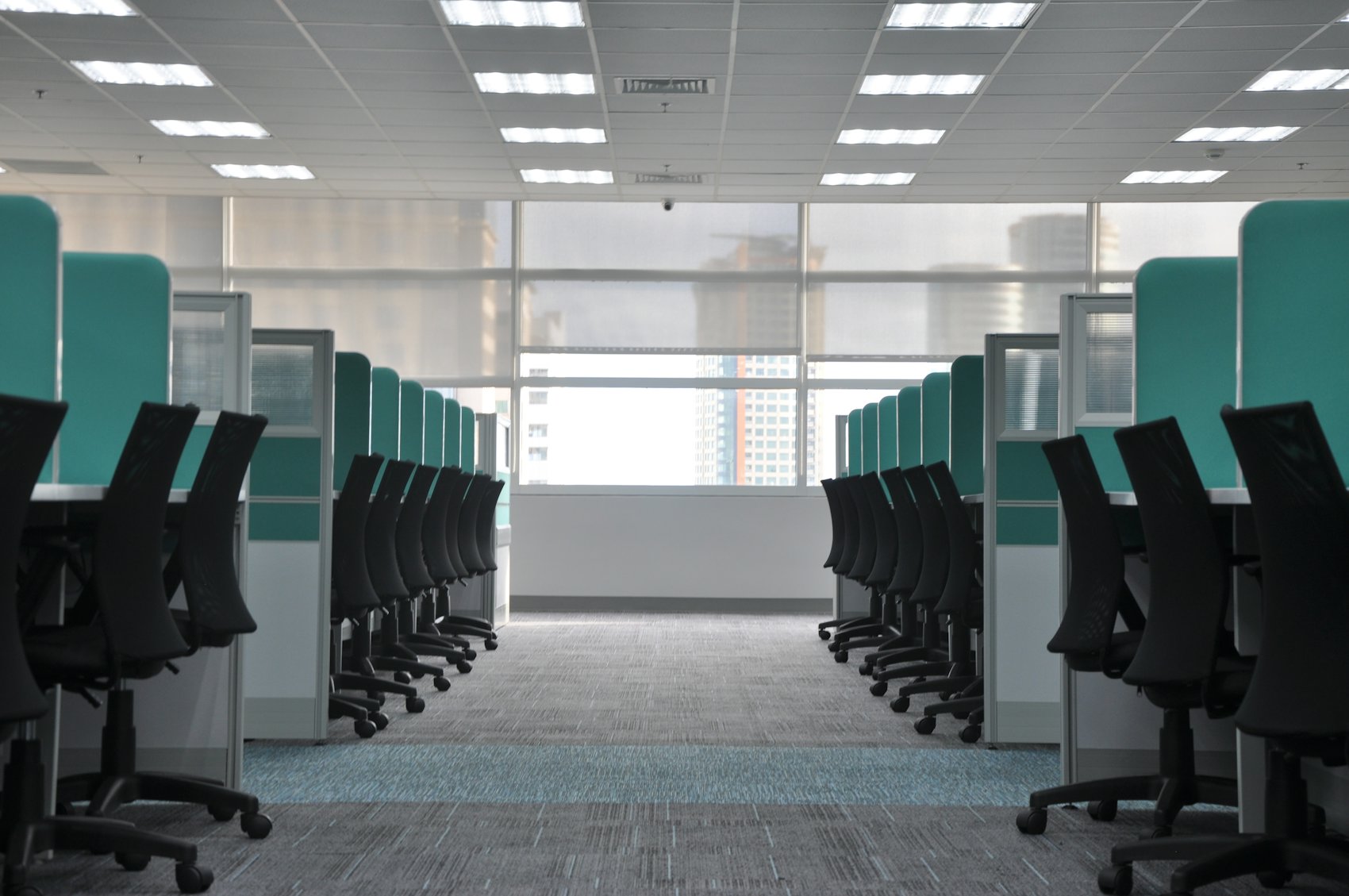
Photo: DPPed, CC BY-SA 3.0, via Wikimedia Commons
Short answer: Office Station furnishes coworking, flex office and executive suite spaces across Greater Phoenix: benching for hot desks, dedicated desks with storage, private office sets, task chairs, conference rooms and lounge seating. You can buy liquidation-grade used (installed in as little as 72 hours), remanufactured (usually 7 to 14 days) or new (4 to 6 weeks), and mix grades in one order. Space planning is free and every project is quoted individually.
- What a flex space operator actually buys
- Furniture by zone
- Durability: what holds up under members
- Planning for reconfiguration
- Grades, lead times and opening dates
- Phoenix flex space buildings and delivery
- How to start a coworking furniture quote
What a flex space operator actually buys
A coworking space is not a typical office. A corporate tenant furnishes for one team and keeps the layout for years. A flex operator furnishes for people they have not met yet, sells the space by the desk or by the office, and changes the mix whenever demand moves. That changes the buying decision in three ways.
- Every seat is revenue. A desk that sits empty because it is the wrong size or the wrong type costs the operator money every month. The layout has to match what members in that part of the Valley actually rent.
- The furniture is the product. Members tour the space before they sign. Chairs, desk surfaces and the lounge are judged in the first five minutes.
- Use is heavier than a normal office. Shared desks are used by different people through the week, chairs are adjusted constantly and lounge seating gets daily traffic.
This page covers what is different about furnishing flex space. For the full range of furniture types and grades across the metro, start at office furniture in Phoenix.
Furniture by zone
Most Phoenix coworking floors break into five zones. The table below shows what usually goes in each and what to watch for.
| Zone | Typical furniture | What to watch for |
|---|---|---|
| Hot desks | Benching runs or small freestanding desks, task chairs, power at the work surface | Easy cleaning between users, power for every seat, chairs that adjust quickly |
| Dedicated desks | Low panel stations or benching with a lockable pedestal per seat | Storage that locks, a little visual privacy, consistent finish across the row |
| Private offices and suites | Desk or L-shape, storage credenza or pedestal, task chair, one or two guest chairs | Desk sizes that fit small rooms, door swing, matched sets so suites look alike |
| Meeting and training rooms | Conference tables, conference chairs, flip-top or nesting training tables | Rooms that convert between uses, chairs that stack or nest for storage |
| Lounge, cafe and phone rooms | Lounge seating, cafe tables and stools, phone booths or small call rooms | Cleanable upholstery, sturdy frames, booth ventilation and power |
Hot desks and dedicated desks
Open seating is usually the densest part of the floor and where most members start. Used benching systems are the common choice because a single spine carries power to every seat and the run can grow or shrink by one desk at a time. See benching desks in Phoenix for sizes and configurations. For dedicated desks, a low panel station, around 47 inches tall, gives a seated member some privacy without closing off the room. Panel heights run 39, 47, 53 and 67 inches; anything taller than 53 inches tends to work against the open feel members expect.
Private offices and executive suites
Executive suite operators sell rooms, so the furniture has to fit rooms that are often small, sometimes oddly shaped and always identical in the listing photos. Matched sets matter more here than anywhere else in the building. A run of the same desk, credenza and chair across every suite lets you photograph one room and market them all. See office desks in Phoenix for private office sets and height-adjustable desks, which many suite tenants now ask for.
Seating
Members sit in the chair longer than they use anything else in the building. Office Station lists 16 task chair models from Steelcase, Herman Miller, Knoll, Haworth and Humanscale, quoted remanufactured or pre-owned, with Humanscale quoted pre-owned or new. Operators often standardize on one or two models so replacement parts and member expectations stay simple. Compare models on office chairs in Phoenix.
Shared rooms and lounge
Meeting rooms are often the most booked space on the floor. Conference room furniture and training room furniture cover tables and chairs that move between a board setup and a classroom setup. Lounge and cafe areas are covered on breakroom and lounge furniture. Phone booths turn up pre-owned less often than desks and chairs, so they are frequently quoted new, which follows the 4 to 6 week lead time.
Durability: what holds up under members
Commercial furniture from major manufacturers was designed for corporate use over many years, which is why it often outlasts lighter furniture bought for a first location. When the same desk is shared by several people a week, a few details decide how it looks a year later.
- Work surfaces. High-pressure laminate resists scratches and cleaning products better than thin melamine or veneer. Edges with a full edge band hold up to bags and laptops being dragged on and off.
- Upholstery. Mesh-back chairs clean easily and breathe in a Phoenix summer. For lounge seating, ask about commercial-grade fabric or vinyl that tolerates frequent wipe-downs.
- Chair mechanisms. Shared chairs are adjusted many times a day. Remanufactured chairs get worn parts replaced, which is one reason operators choose that grade for open seating.
- Power. Members plug in at every seat. Built-in power on benching or panel systems avoids cords across walkways, and electrical connection is quoted separately by a licensed electrician.
Pre-owned pieces carry a condition grade of A like new, B very good or C good, and each line on the quote shows it. Office Station is an independent reseller, not an authorized dealer, and manufacturer warranties generally do not transfer to pre-owned furniture, so review the grades before you approve.
Planning for reconfiguration
Demand in a flex space shifts. A floor that opened with mostly hot desks may need more dedicated desks a year later, or a block of open seating may be turned into enclosed team rooms for a company that wants to lease a whole wing. Buy with that in mind.
- Favor freestanding and benching in open areas. They move without tools or with simple ones. Full panel systems are more work to reconfigure and usually need an installation crew.
- Keep sizes consistent. If every open desk shares one depth and one width, you can swap rows and pieces between zones.
- Keep a few spares. A small stock of matching chairs and surfaces lets you replace a damaged piece without a new order.
- Plan aisles to code. Accessible routes under the ADA generally need at least 36 inches of clear width, and fire egress paths set by the building and local fire code come first. The free space plan checks clearances before anything is ordered.
See office space planning in Phoenix for how the free plan works, and cubicle configurations for inline, cluster, bullpen and benching layouts.
Grades, lead times and opening dates
Coworking openings tend to be date-driven: a lease commencement, a grand opening, or a company that signed for a suite and wants to move in. Match the grade to the date first.
| Grade | Lead time | Common use in flex space |
|---|---|---|
| Liquidation grade (used) | In stock, installed in as little as 72 hours | Fast openings, overflow seating, back rows, storage rooms |
| Remanufactured | Usually 7 to 14 days | Tour paths, hot desk areas and suites that need one consistent finish |
| New | 4 to 6 weeks | Phone booths, a specific finish or brand look, pieces not available pre-owned |
Many operators mix all three in one quote. What moves a quote is grade, station size, panel height, power, finishes, matched quantities, delivery address, building access and installation complexity. Pre-owned costs well below comparable new, and every project is quoted individually. For a side-by-side of the grades, read used vs. remanufactured vs. new cubicles.
Phoenix flex space buildings and delivery
Coworking and executive suites in the Valley sit in a few kinds of buildings, and each affects delivery and installation.
- High-rise and mid-rise towers in Downtown Phoenix, Midtown along Central Avenue and the Camelback Corridor usually require a booked freight elevator, a certificate of insurance and deliveries outside business hours.
- Adaptive reuse and creative office around Roosevelt Row, downtown Tempe and downtown Chandler may have older loading areas, tight doors or exposed ceilings that affect where power can run.
- Suburban office parks along the Loop 101 in Scottsdale, the Loop 202 in Chandler and Tempe, and the I-17 corridor tend to have easier dock or ground-level access, but property managers and associations often set loading windows.
Summer deliveries in the Valley are best booked for early morning, and monsoon storms from June through September can bring dust and sudden rain in the afternoon, so crews plan unloading around them. Delivery is quoted with your project, and professional installation is its own line. Operators in the suburbs can also see used cubicles in the East Valley and used cubicles in the West Valley.
How to start a coworking furniture quote
- Send the floor plan. A landlord plan, a CAD file or a sketch with measurements works.
- Give the target mix. Roughly how many hot desks, dedicated desks and private offices, plus meeting rooms and lounge.
- Name the date. Opening date, plus any suites that must be ready first.
- Share building rules. Freight elevator, loading dock and after-hours requirements.
- Review the plan and quote. Each line shows product, size and condition grade, with delivery and installation listed separately.
Space planning is free. Send your floor plan, target desk and office counts and opening date to hello@officestation.com, call 602-703-4000, or request a quote.
Frequently asked questions
Where can I buy coworking furniture in Phoenix?
Office Station supplies coworking and flex space operators across Greater Phoenix with benching for hot desks, private office desk sets, task chairs, conference and lounge furniture, in liquidation-grade used, remanufactured or new. It is an independent reseller based in Peoria, not a walk-in showroom. Send your floor plan, member count and opening date to hello@officestation.com for a free space plan and a written quote.
What furniture does a coworking space need?
Most spaces need four zones: an open hot desk area, usually benching or small freestanding desks; dedicated desks with a lockable pedestal; private offices with a desk, storage and a guest chair or two; and shared rooms, meaning conference tables, a training room and a lounge or cafe. Phone rooms or booths for calls round it out. Task chairs are the piece members notice most.
Is used office furniture durable enough for a coworking space?
Yes, if you choose the right pieces. Commercial furniture from major manufacturers was built for years of corporate use, and remanufactured stations get new surfaces or fabric. Pre-owned pieces carry a condition grade of A like new, B very good or C good. Many operators put Grade A or remanufactured furniture in tour paths and private offices and use lower grades in back rows.
How fast can a Phoenix coworking space be furnished?
It depends on the grade. In-stock liquidation-grade furniture can be installed in as little as 72 hours. Remanufactured furniture usually takes 7 to 14 days, and new lines take 4 to 6 weeks. If you have a fixed opening date or a member already signed for a suite, confirm stock for your exact counts before setting the date.
Should a coworking space use cubicles or benching?
Benching and freestanding desks suit hot desk areas because they open up sight lines and are easy to rearrange as demand shifts. Low panel cubicles, around 47 inches, work for dedicated desk rows where members want a little privacy and a place to leave things. Tall 67 inch panels rarely fit coworking, since they block light and make the floor feel closed.
How much does coworking furniture cost?
Every project is quoted individually. The quote depends on grade, the mix of desks, offices and shared rooms, chair models, power and data needs, finishes, matched quantities, building access and installation complexity. Furniture, delivery and installation appear as separate lines and electrical is quoted separately. Space planning is free, and one layout can be quoted in more than one grade.