Used benching systems are one of the most efficient ways to furnish an open office. A single run of benching can seat four, six, eight or more people along a shared spine, with power and data routed through the frame instead of across the floor. When you buy pre-owned, you get the same engineered frames that major manufacturers built for corporate headquarters, at a price that makes sense for a growing team.
What counts as a benching system
Benching is a family of furniture, not a single product. Most systems share a few traits:
- Shared support structure. Work surfaces attach to a common beam or leg set, so there are fewer legs per seat than freestanding desks.
- Low or no dividers. Many benches use short desktop screens instead of full-height panels, which keeps sightlines open.
- Integrated cable management. Trays or troughs under the surface carry power strips and cables down the run.
- Modular expansion. Add-on sections let a run grow by two seats at a time without starting over.
Some benching is fixed height. Other systems include height-adjustable surfaces at each seat. Both show up in the pre-owned market, and the right choice depends on your budget and how your team works.
Benching vs. cubicles vs. freestanding desks
Before you commit to benching, compare it honestly against the alternatives. The best layout depends on how much focus work, phone time and privacy your people need.
| Factor | Benching | Panel cubicles | Freestanding desks |
|---|---|---|---|
| Seats per square foot | Highest | Moderate | Moderate |
| Privacy and acoustics | Low, improved with screens | Highest | Low |
| Reconfiguration | Add or remove sections along a run | More parts, more labor | Easiest, move one desk at a time |
| Cable management | Built into the spine | Built into panels | Usually add-on |
| Best fit | Collaborative teams, hoteling, training | Call-heavy or focus-heavy roles | Small offices, flexible rooms |
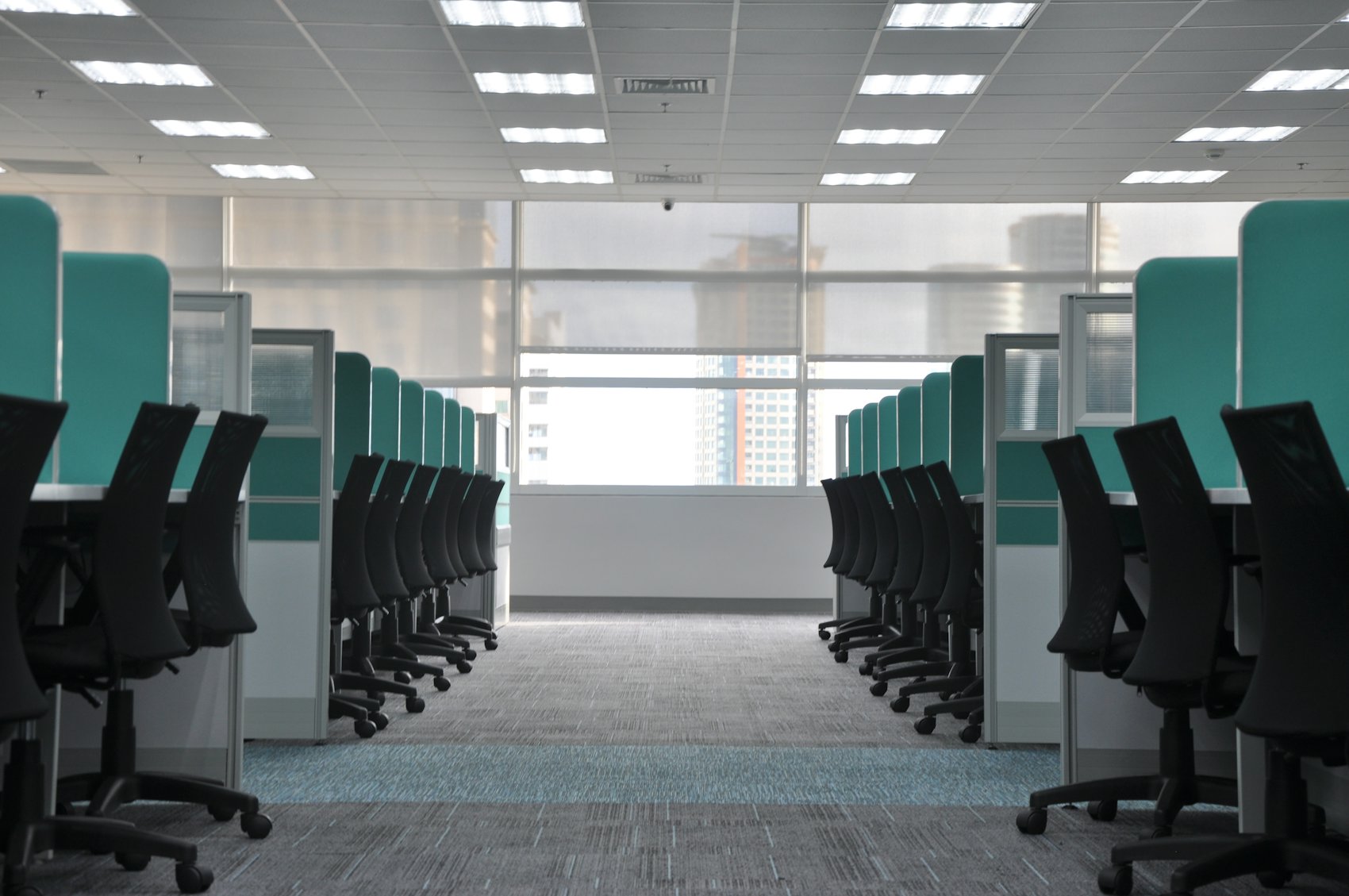
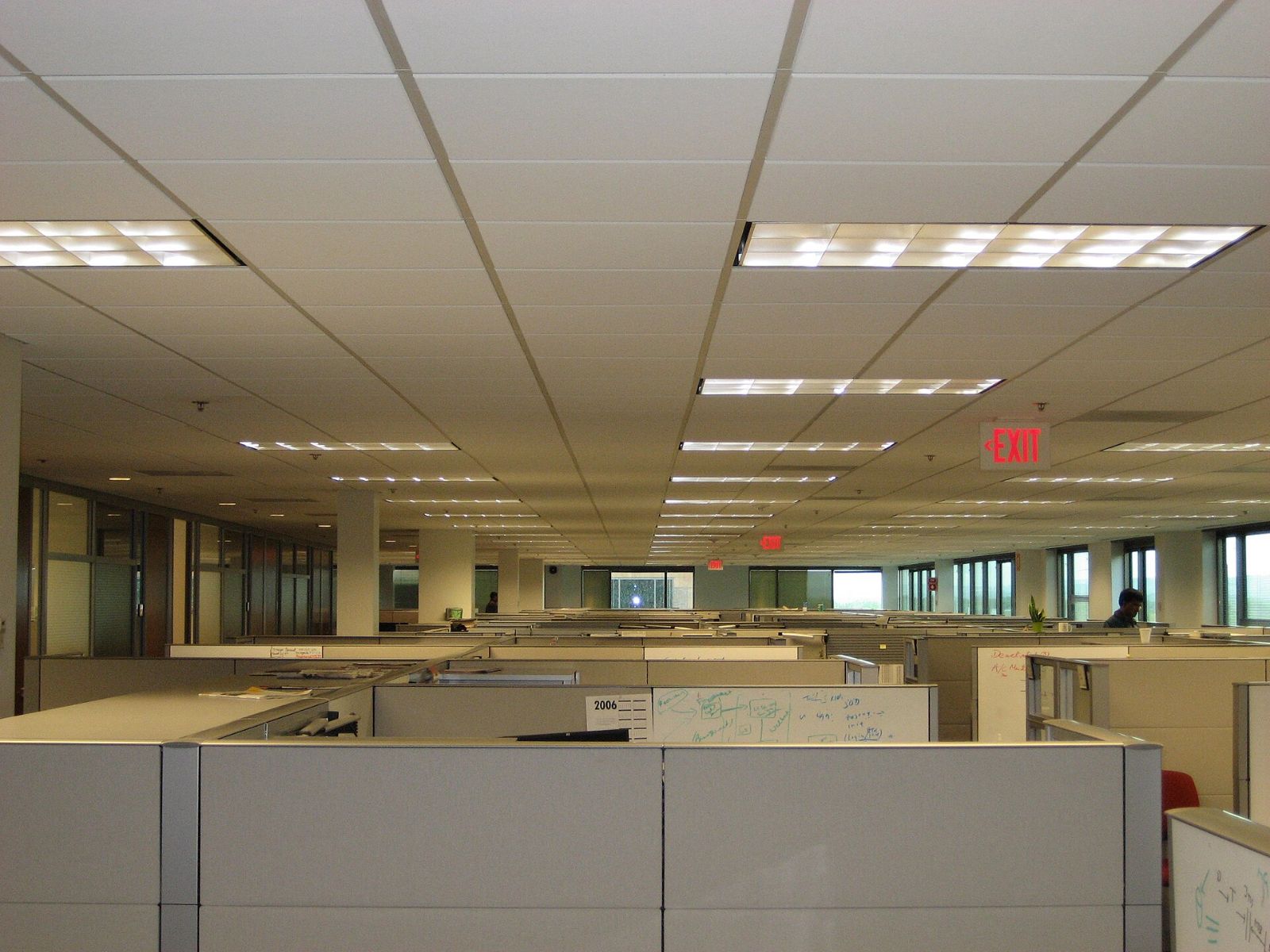
Plenty of offices mix the two: benching for project teams in the open, and used cubicles for roles that spend the day on the phone.
How we grade used benching
Every piece of pre-owned furniture we sell carries a condition grade so you know what to expect before it arrives.
- Grade A, like new. Minimal to no visible wear. A good choice for client-facing areas.
- Grade B, very good. Light signs of use such as minor surface marks, fully functional.
- Grade C, good. Visible wear consistent with prior office use, structurally sound and fully functional. The value pick for back-of-house teams.
Mixing grades by zone stretches your budget: put Grade A stations where visitors walk through and Grade C in a training room.
What used benching costs compared to new
Benching pricing varies by brand, run length and features, so we quote each project. To give you a realistic sense of the savings, here is how our pricing compares across condition tiers for a standard 6' x 6' workstation, furniture only:
| Tier | Price per 6' x 6' station | Typical lead time |
|---|---|---|
| Liquidation-grade | $615 | As little as 72 hours, in stock |
| Remanufactured | $1,245 | Usually 7 to 14 days |
| New | $1,920 | 4 to 6 weeks |
Average market rate Prices subject to availability and project pricing.
Benching is quoted per project, but the workstation tiers show the kind of gap you can expect between pre-owned and new, and how much sooner in-stock product can be ready. Prices exclude electrical, delivery and professional installation. Budget for these line items too:
- Installation: $95 per workstation, with a $495 minimum.
- Delivery in Greater Phoenix: $195 central zone or $295 metro.
- Freight elsewhere nationwide: quoted per project.
- Volume pricing: 5% off at 20+ stations, 8% at 50+, and 12% at 100+.
- Space planning: free.
What to check before you buy used benching
A little homework up front prevents surprises on install day. Use this checklist:
- Measure run lengths, not just rooms. Benching comes in fixed section widths. Confirm the full run plus aisle clearance fits between columns and walls.
- Confirm surface depth. Shallow surfaces save floor space but can feel cramped with dual monitors.
- Plan power early. Decide where each run connects to building power. Electrical work is separate from furniture pricing, so loop in your electrician or landlord.
- Match all components. Screens, cable trays and end supports should come from the same system so they fit together.
- Decide on height adjustability. If you want sit-stand at every seat, say so at the start, because it narrows the inventory.
- Pick grades by zone. Use higher grades where visitors walk through and lower grades where they do not.
- Add seating. Benching looks best with consistent chairs. Browse pre-owned office chairs at the same time.
Accessories that make benching work
Open benching gets noisy and cluttered without the right add-ons. Desktop screens reduce visual distraction across the spine. Mobile pedestals give each person a place for personal items. Monitor arms free up surface area on shallow tops. Ask about these when you request a quote so everything arrives together.
Replacing old furniture at the same time
If you are swapping out existing workstations, you may not need to pay to haul them away. Our office furniture liquidation service provides a written net offer: the resale value of your furniture minus the cost of removal. When that number is positive, we pay you. It can offset part of your new benching budget, and our crews can work nights and weekends so your team keeps working.
Browse our wider pre-owned office furniture selection, or send your floor plan and seat count and we will put together a benching layout at no charge.
Frequently asked questions
What is the difference between benching and cubicles?
Benching is a shared-frame system where several work surfaces run off a common spine, usually with low or no panels. Cubicles use panels to create individual enclosed stations. Benching typically fits more people per square foot, while cubicles give more privacy and acoustic separation.
Which brands of used benching do you sell?
We source pre-owned furniture from brands including Herman Miller, Steelcase, Knoll, Haworth, Humanscale, Teknion, Allsteel, Kimball, AIS and Friant. Availability changes as inventory comes in, so tell us your seat count and we will match what is on hand. We are an independent reseller, not an authorized dealer for these manufacturers.
Does a manufacturer warranty come with used benching?
Generally no. Manufacturer warranties usually do not transfer to pre-owned furniture. That is why we grade condition up front and walk you through exactly what you are getting before you buy.
How fast can used benching be delivered?
In-stock liquidation-grade furniture can be ready in as little as 72 hours. Remanufactured product usually takes 7 to 14 days, and new furniture typically runs 4 to 6 weeks. Delivery in Greater Phoenix is $195 in the central zone or $295 metro, and freight elsewhere is quoted per project.
Can I mix benching with existing furniture?
Often, yes, as long as finishes and heights are close enough to look intentional. Share photos and dimensions of what you already own during space planning and we will flag any compatibility or aesthetic issues before you order.
Average market rate Prices subject to availability and project pricing.