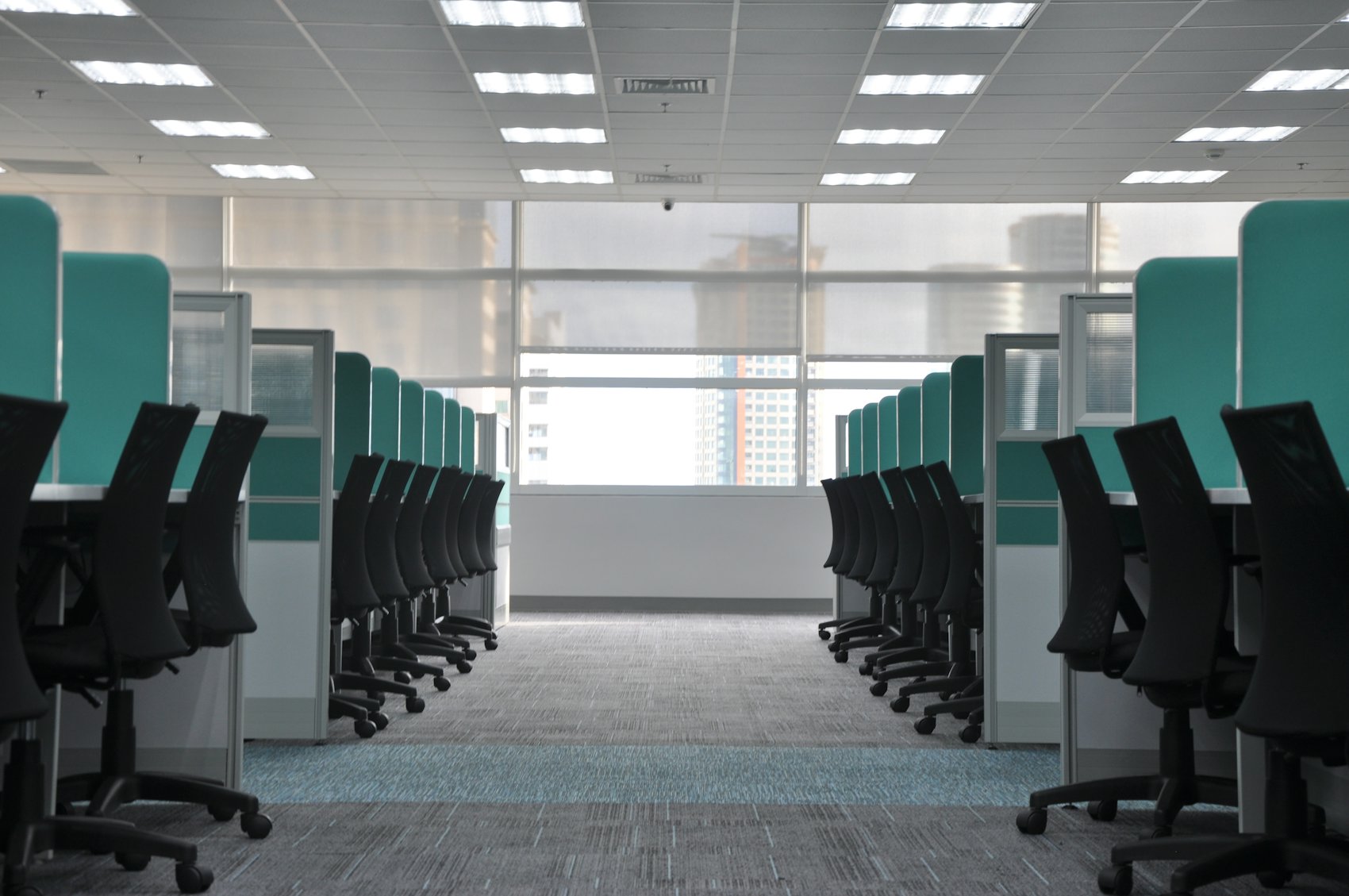
Photo: DPPed, CC BY-SA 3.0, via Wikimedia Commons
Short answer: Office Station helps Phoenix companies downsize and consolidate without a full lease exit. Crews clear part of a floor while the rest keeps working, merge two suites into one, prepare space for a subtenant and re-plan the smaller footprint so the furniture you keep fits it properly. Surplus is routed to resale, donation or recycling, and every project is quoted individually.
- What a downsizing looks like
- What to keep and what to clear
- Consolidating two suites into one
- Subleasing part of a floor
- Re-planning the smaller footprint
- How a downsizing runs
- Downsizing across the Valley
What a downsizing looks like
Downsizing is rarely one clean event. In Phoenix, it usually takes one of these shapes:
- A partial clear-out. The company stays in the same suite but no longer needs all of it. A wing, a row of stations or a training room is emptied and either re-used or closed off.
- Giving back part of a floor. The landlord agrees to take back some of the space at a renewal or amendment, and that area has to be cleared by a set date before it is re-demised.
- Consolidating locations. Two offices, or two suites in one building, become one, and the closing location's furniture is either moved in or cleared.
- Subleasing. Part of the space is sublet to another company, sometimes furnished, sometimes empty.
- Moving to a smaller suite. The whole company relocates to less space and takes only what the new plan needs.
Each one raises the same two questions: what the smaller office needs, and what to do with the rest. The difference from a full lease exit is that people are still working in the building, so the work has to be phased around them. If the whole space is going back to the landlord, the project is a full exit and office decommissioning in Phoenix is the better fit. If you are moving to a smaller suite elsewhere in the Valley, see office furniture relocation in Phoenix.
What to keep and what to clear
The most common downsizing mistake is deciding what to keep before deciding what the smaller office needs. Start with the plan. Count the workstations for the busiest day, the private offices, the meeting rooms and the storage you will really use, then keep the furniture that fills those needs best.
| Item | Usually keep when | Usually clear when |
|---|---|---|
| Workstations and panel systems | A matched run of one system covers the new headcount and is in good condition | Stations are mixed systems, worn, or larger than the smaller plan can fit |
| Task chairs | They are designer models in good working order and enough of one model to match | Mechanisms are failing, or a mix of models would make a few left over |
| Private-office furniture | The smaller space keeps the same number of offices, or desks suit open areas | Offices are being converted to shared or meeting space |
| Conference tables | The table fits a room in the new plan with proper clearance around it | No room in the smaller plan is large enough, or it will not fit the elevator |
| Files and storage | Records still need physical storage after digitizing and retention review | Records have been scanned or destroyed under your retention policy |
| Breakroom and lounge | The remaining space keeps a breakroom of the same size | Two breakrooms are becoming one |
Surplus furniture is routed case by case to resale, donation or recycling. Matched systems and brand-name seating have the most options, while older mixed furniture more often goes to donation or recycling. The routes are explained on Phoenix office furniture liquidation, and a removal-only job is covered on commercial furniture removal in Phoenix. For a planning list, use the office downsizing checklist and the guide to downsizing and liquidation options.
Consolidating two suites into one
Consolidation is two jobs on one calendar: setting up the office that stays and clearing the one that closes. The order matters. Re-plan the remaining office first, so you know exactly which pieces from the closing location have a place. Then move only those pieces, reconfigure them into the new plan and clear everything else from the closing suite.
- Match systems where you can. If both locations use the same panel system, stations can often be combined into one run. If they do not, keep each system in its own zone.
- Keep the better set. When both offices have chairs or files, keep the matched, better-condition set and clear the other.
- Phase the move. Teams from the closing office arrive once their stations are built, not before.
- Clear last. The closing suite is cleared after the remaining office is working, so nobody is left without a desk.
Hybrid schedules often drive consolidation, because two half-used offices can become one fully used one. The hybrid consolidation guide covers how shared stations change the count.
Subleasing part of a floor
Subleasing lets a company keep its lease while paying for less of it. Furniture is one of the first questions a subtenant asks. Furnished space can be easier to sublet and saves removal on that part of the floor, but it also leaves your furniture in someone else's hands.
- Separate the zones. Decide where your space ends and the subtenant's begins, and plan any demising wall, door or separate entry with the landlord.
- Put the furniture in writing. The sublease should say who owns the furniture, who maintains it and who removes it at the end of the term.
- Clear or refresh. If the subtenant wants empty space, that zone is cleared like any partial clear-out. If they want it furnished, worn pieces can be swapped out first.
- Think about your own exit. Furniture left with a subtenant is still part of your lease exit later, so record it on an inventory now.
Re-planning the smaller footprint
A smaller office needs a plan, not just fewer desks. Moving the same layout into less space usually produces narrow aisles, crowded meeting rooms and stations that block windows. A free Phoenix space plan shows how many stations fit the footprint, where aisles and clearances go and which existing furniture fills each spot.
The kept furniture often has to change shape to fit. Panel runs may be shortened, stations turned into clusters or benching, or panel heights lowered to make a tighter floor feel open. That work is covered on office reconfiguration in Phoenix. If the plan needs a few pieces you do not have, liquidation-grade furniture in stock can be installed in as little as 72 hours, remanufactured usually takes 7 to 14 days and new takes 4 to 6 weeks. Office Station is an independent reseller, not an authorized dealer of any manufacturer.
How a downsizing runs
- Walkthrough. Free, typically within 48 hours in Greater Phoenix. It covers the furniture, the area being given up, building rules and your dates.
- Written recommendation. Within five business days: what stays, what goes and by which route, plus the crew plan and phasing.
- Space plan. The smaller footprint drawn with the furniture you are keeping, and any gaps marked.
- Clear and rebuild. Surplus is removed and kept furniture reconfigured, usually in the evening or on weekends so teams keep working.
- Handback. The cleared area is left broom-swept, with an itemized inventory and a summary of where furniture and electronics went.
From May through September, loading starts early or runs overnight, and the building should keep the cleared area cooled while crews are working in it.
Downsizing across the Valley
Crews handle partial clear-outs and consolidations throughout Greater Phoenix. Each city page covers local buildings and logistics for clearing office furniture:
- Scottsdale, where many Airpark suites load by liftgate from the lot
- Tempe, Mesa, Chandler and Gilbert in the East Valley
- Glendale and Peoria in the West Valley
Need to add a few matching pieces after the consolidation? Start with office furniture in Phoenix.
Send your address, the area you are giving up or consolidating, your headcount and your target date to hello@officestation.com or through the contact page. The walkthrough and the space plan for the smaller office are both free.
Frequently asked questions
Can you clear part of an office while we keep working?
Yes. Partial clear-outs are common in Phoenix: a vacated wing, a surplus row of stations, a file room or a floor being given back to the landlord. The area is sectioned off, crews work evenings or weekends when the building requires it, and the rest of the office keeps running. You receive an itemized inventory of what left.
How do we decide which furniture to keep when downsizing?
Start with the plan for the smaller space, not the furniture list. Count the stations, offices and meeting rooms the new footprint needs, then keep the best-matched, best-condition furniture that fills them. Matched runs of one system are worth keeping together. Everything else is routed case by case to resale, donation or recycling.
Can you consolidate two Phoenix offices into one?
Yes. Furniture from the closing location can be moved into the remaining one, reconfigured to fit, and the surplus cleared from the closing suite in the same project. The remaining office is usually re-planned first, so you know exactly which pieces move. Gaps can be filled with pre-owned, remanufactured or new furniture to match.
What happens to the furniture we no longer need?
Each piece is routed case by case to resale, donation or recycling, depending on condition, brand and how well it matches. Electronics go to recycling with certificates of data destruction for drives and storage devices. A written recommendation sets out the route before work is scheduled, and the handback includes a summary of where everything went.
Should furniture stay behind for a subtenant?
It can. Furnished space is often easier to sublease, and leaving workstations in place saves removal on that part of the floor. Agree in writing with the subtenant and landlord who owns the furniture, who maintains it and who removes it at the end of the term, so it does not become a surprise at your own lease exit.
How quickly can a Phoenix downsizing start?
Walkthroughs in Greater Phoenix are typically scheduled within 48 hours, and a written recommendation follows within five business days. Clear-out dates are then set around your lease or sublease date and the building's rules. If you need added furniture, liquidation grade in stock can be installed in as little as 72 hours, remanufactured usually takes 7 to 14 days and new takes 4 to 6 weeks.