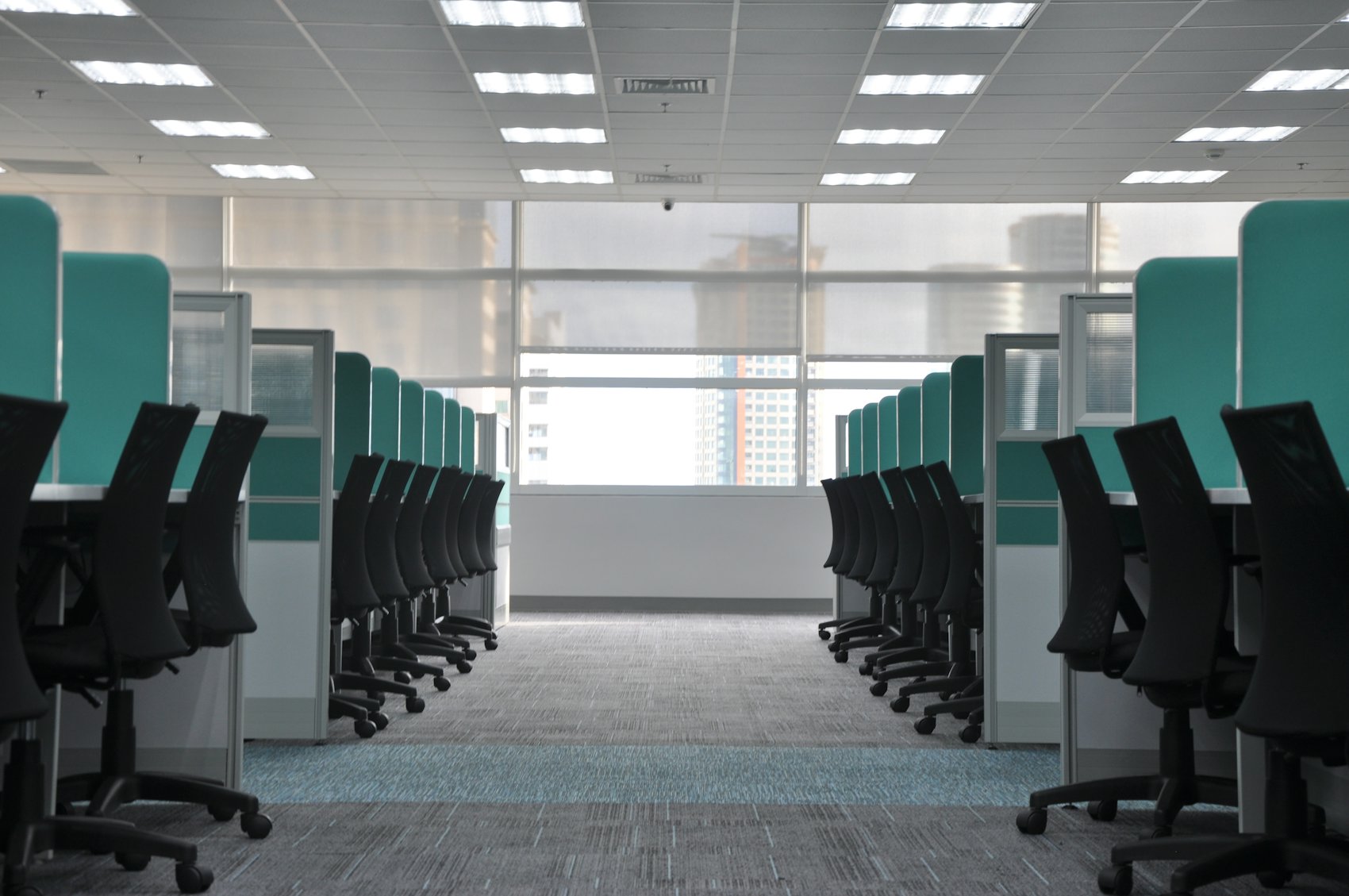
Photo: DPPed, CC BY-SA 3.0, via Wikimedia Commons
Short answer: Office Station plans and supplies high-density filing systems for Phoenix offices: mobile shelving on floor tracks, tall lateral files, rotary cabinets and floor-to-ceiling shelving, pre-owned or new. Most records rooms fit the same files in a much smaller footprint once the access aisles are shared. Space planning is free, the floor-load question goes to your landlord before anything is ordered, and every project is quoted individually.
- Which high-density system fits your records
- Floor load and older Phoenix buildings
- Sizing a records room
- Moving or reconfiguring files during a move
- Pre-owned or new
Which high-density system fits your records
| System | Best for | What to check |
|---|---|---|
| Mobile shelving on tracks | Records rooms and archives with a lot of files and few people pulling them at once | Floor load, track layout, manual or mechanical-assist carriages, aisle locks |
| Tall lateral files | Department files kept near the people who use them | Top-drawer reach, wall anchoring, drawer interlocks |
| Rotary cabinets | Active files pulled many times a day | Unit weight, the turning mechanism, locks |
| Floor-to-ceiling open shelving | Boxed records, binders and supplies | Shelf spacing for your box size, sprinkler clearance at the top shelf |
The planning side of each system, including how to estimate the space you get back, is covered in the high density office storage guide. This page covers getting a system into a Phoenix building.
Floor load and older Phoenix buildings
A loaded mobile shelving system puts a lot of weight on a small area of floor. Before anything is ordered, the space plan shows the system's footprint and where it sits on the floor, so the landlord or the building's engineer can confirm the floor can carry it.
- Ground-floor slabs in Valley office parks and single-story buildings are usually the simplest place for a records room.
- Upper floors and mezzanines are where the landlord's review matters most. Placing the system along a column line or a bearing wall can help.
- Older Downtown and Midtown buildings may have floor ratings that differ from newer construction. Ask early, because the answer can change which room becomes the records room.
- Sprinklers. Tall shelving needs clearance below the sprinkler heads. The fire marshal and landlord set that number, not the furniture supplier.
Sizing a records room
- Purge first. Apply your records retention schedule before sizing anything. Shredding and destruction go to your own certified shredding vendor.
- Measure the files. Count linear feet or inches of filing by type: letter, legal, binders, boxes, oversize.
- Plan for growth. Decide how many years of new files the room has to hold.
- Measure the room. Length, width, ceiling height, door locations, columns and any electrical panels that must stay clear.
- Decide who pulls files. One clerk works fine with a single moving aisle. A busy team pulling all day may need a second open aisle or rotary units.
The free space plan fits the records room into the rest of the floor, so the files can move out of open work areas and into one room.
Moving or reconfiguring files during a move
A move is the easiest time to change how files are stored. The usual sequence:
- Files are boxed and labeled by unit and shelf, so they go back in the same order.
- The existing system is taken down. Track systems are lifted, and parts are counted and tagged.
- The new or reconfigured system is installed and leveled at the new office.
- Files are reshelved in order and checked against the labels.
Lateral files and pedestals that are not part of the new plan can be routed out with the rest of the surplus. See filing in Phoenix for everyday files at the workstation, and office furniture relocation in Phoenix for the move itself.
Pre-owned or new
Tall lateral files and open shelving are strong pre-owned buys: check that drawers run smoothly, interlocks work and the locks can be rekeyed. Pre-owned mobile shelving can work when the carriages and tracks fit the room, so the system is measured and checked before it is quoted. New is the better choice when you need an exact run length, a specific carriage type or a color match. Pre-owned stock is on storage and filing, and new lines are on new office storage. Brand names identify the original manufacturer only; Office Station is an independent reseller.
Send the room size, the linear feet of files and your building address to hello@officestation.com. Every project is quoted individually.
Frequently asked questions
Who supplies high-density filing systems in Phoenix?
Office Station plans and supplies high-density filing for businesses across Greater Phoenix: mobile shelving on tracks, tall lateral files, rotary cabinets and floor-to-ceiling shelving, pre-owned or new. Send the room size, the linear feet of files and your building address to hello@officestation.com or use the form on this page. Every project is quoted individually.
What is high-density filing?
High-density filing stores the same files in a smaller footprint. Mobile shelving units sit on floor tracks and slide together, so only one aisle is open at a time instead of an aisle in front of every cabinet. Tall lateral files and rotary cabinets save space by stacking higher or removing the rear aisle.
Can my Phoenix building floor carry mobile shelving?
Ask before you order. A full mobile shelving system concentrates a lot of weight in a small area. Ground-floor slabs usually handle it; upper floors, mezzanines and some older buildings may need the landlord's engineer to confirm the floor load. The space plan shows the system's footprint and weight so the landlord can review it.
Is pre-owned high-density filing worth buying?
Often, yes, for tall lateral files and open shelving, which have few moving parts. Pre-owned mobile shelving can work too, but the tracks, carriages and handles must match the room, so the system is checked and measured before it is quoted. New is the better choice when you need an exact length or a specific carriage type.
Can you move our high-density files when we move offices?
Yes. Files are boxed and labeled by unit and shelf, the system is taken down, moved and reinstalled at the new office, and the files go back in the same order. If the new room is a different shape, the system can be reconfigured to fit it.