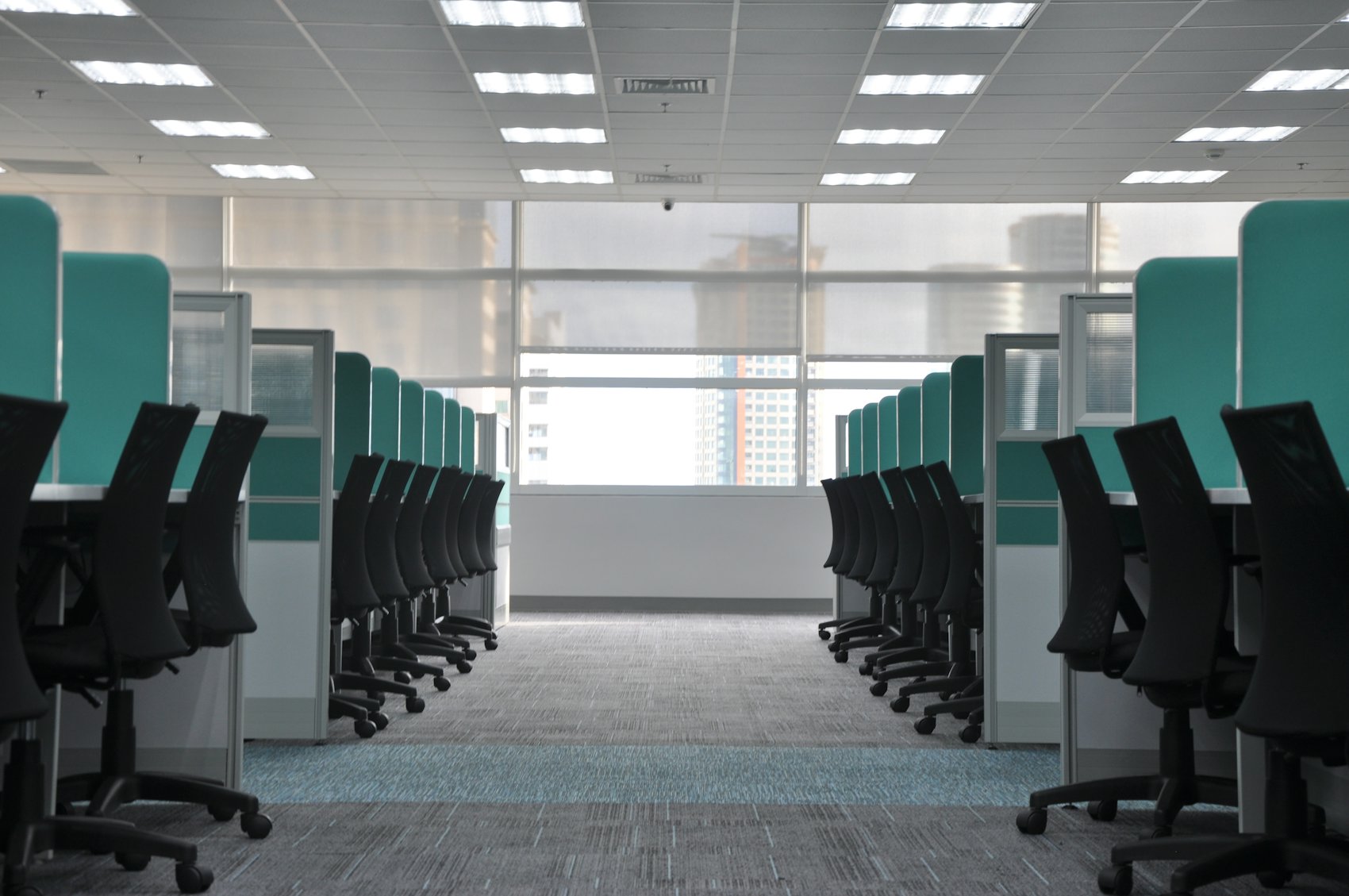
Commercial furniture removal sounds simple: get the cubicles, cabinets and desks out. In practice it is a building project with a deadline. Systems furniture has to be taken apart, power has to be made safe, the building's elevators and docks have to be booked, electronics need their own path, and the space has to be left in the condition your lease requires. This guide explains what a removal involves anywhere in Arizona, how removal differs from liquidation and donation, and what to ask a vendor before you sign. If you are in Phoenix, our Phoenix commercial furniture removal page covers the service there.
- What a removal covers
- Planning the timeline
- Building access, elevators and docks
- Partial removals in occupied space
- Electronics and e-waste
- Broom-swept turnover
- Removal vs liquidation vs donation
- Questions to ask a removal vendor
- Removal across the Valley and Arizona
What a removal covers
Write the scope down before anyone quotes. Vague scopes are where removals run late. A typical commercial removal includes some or all of these:
- Cubicle workstations. Panels, connectors, worksurfaces, supports, overhead storage, pedestals and panel power parts. Systems furniture is taken apart, not carried out whole.
- Freestanding furniture. Desks, credenzas, bookcases, tables and private office suites.
- Cabinets and storage. Lateral and vertical files, storage towers, lockers and mobile pedestals. Files must be emptied and unlocked, with keys handed over or locks drilled.
- Seating. Task chairs, conference chairs, guest and lounge seating.
- Break and conference rooms. Tables, seating, and sometimes appliances, which may need disconnecting by the right trade.
- Electronics. Computers, monitors, phones, printers and network gear, on a separate e-waste track.
- Debris and final clean. Packing material, loose hardware and the sweep at the end.
Be clear about what is not in scope too. Built-in millwork, wall-mounted fixtures, data cabling in ceilings and walls, signage and floor coverings are often separate items. Your lease may require some of them to go; a furniture vendor may not remove them unless asked.
Power and cabling
Many cubicle runs carry power through the panels from a wall, floor or ceiling feed. Before teardown, a licensed electrician should disconnect and make safe those feeds. Removing low-voltage data cabling is a separate decision, usually handled by your IT team or a cabling contractor, and only if the lease requires it.
Planning the timeline
The physical work is usually the shortest part of a removal. The calendar fills up with everything around it. Work backward from the date the space must be empty, and leave slack for the steps that depend on other people.
| Step | Who owns it | Why it takes time |
|---|---|---|
| Walkthrough and written scope | Project owner and vendor | Counts, photos and exclusions must be agreed before anything is booked |
| Building approvals | Property manager | Insurance certificates, elevator and dock reservations, work-hour rules |
| Keep items moved out first | Project owner, mover | Anything going to another office must leave before the clear-out starts |
| Electrical disconnect | Licensed electrician | Panel power must be made safe before teardown |
| IT and e-waste pickup | IT team, recycler | Data-bearing devices need wiping or destruction with records |
| Teardown and removal | Removal vendor | Depends on station count, elevator hours and after-hours limits |
| Sweep and handback walk | Vendor, property manager | The landlord must see and accept the space |
Month ends are the busiest days for elevators and docks, because many leases end on the same dates. Book early and avoid putting the last night of work on the final day of the lease.
Building access, elevators and docks
Building rules shape the schedule more than the furniture does. Ask the property manager for the move-out rules in writing, and expect most of the following:
- Certificates of insurance naming the building owner and manager, from every vendor on site.
- Freight elevator reservations, often limited to certain hours and booked in blocks.
- Loading dock windows, truck size limits and rules for where trucks can wait.
- Protection for elevator cabs, corridors, door frames and floors.
- After-hours work in occupied buildings, so other tenants are not disrupted.
- Access badges, parking and a building contact on site for evening work.
Ground-floor suites in office parks and flex buildings are simpler: often a rear door and a truck at the curb. Mid-rise and high-rise buildings in central Phoenix, Scottsdale and Tempe usually have stricter elevator and dock rules. In summer, loading is scheduled for early mornings and evenings to keep crews and finishes out of the afternoon heat.
Partial removals in occupied space
Not every removal empties a suite. Companies giving back part of a floor, clearing surplus stations after a hybrid change, or freeing an area for a new layout need furniture taken out while people keep working nearby.
- Tag clearly. Every item that leaves gets a visible tag, and the work area is marked on the floor.
- Check shared power. Stations on the same circuit or base feed as the ones leaving can lose power. An electrician should confirm before any run is cut.
- Finish the cut ends. When part of a cubicle run is removed, the remaining stations may need end panels and bracing so they stay stable and look finished.
- Work after hours. Teardown is loud. Evening and weekend work lets staff arrive to a clean floor.
If the area you are keeping is being re-planned at the same time, see Phoenix office reconfiguration.
Electronics and e-waste
Electronics should never ride out with furniture as general debris. Treat them as their own stream:
- Have IT list every device leaving the space, including anything that stores data.
- Decide what is redeployed, what is resold and what is recycled.
- Wipe or destroy data-bearing devices with documentation before they leave your control.
- Use a recycler that can tell you where materials go and provide records.
- Keep the paperwork with the project file.
Our guide to office furniture disposal and e-waste covers the options in more depth.
Broom-swept turnover
Most removals end at a lease handback. "Broom-swept" generally means the space is empty and the floors are swept clean, not repaired or restored. But leases vary, and some ask for more: removed cabling, patched walls, taken-down signage or restored improvements.
Before the last night of work, read the surrender clause, walk the space with the property manager, and agree on what "done" means. Photograph every room after the sweep. Get written acceptance when you hand over keys and badges. For the full handback service, see office decommissioning.
Removal vs liquidation vs donation
"Removal" covers how furniture leaves the building. Where it goes next is a separate choice, and most projects use more than one route.
| Route | Best fit | Strengths | Watch for |
|---|---|---|---|
| Removal and disposal | Worn, damaged or low-demand furniture; tight deadlines | Simple, predictable, clears everything | More goes to landfill unless the vendor sorts and recycles |
| Liquidation | Quality systems furniture, ergonomic seating and storage in good condition | Reusable pieces are routed to resale, donation and recycling, case by case | Depends on brand, age, condition, quantity and timing |
| Donation | Usable furniture a specific recipient needs and can collect | Pieces stay in use locally | Recipients may not take everything or meet your dates |
| Recycling | Steel, aluminum and other separable materials with no reuse route | Keeps material out of landfill | Mixed-material items take labor to separate |
Office Station is an independent reseller. We decide the route for each piece after a walkthrough, and every project is quoted individually. Cost depends on the amount of furniture, building access, elevator time, after-hours requirements, e-waste and the handback standard. For a fuller comparison of routes, read office liquidation vs auction vs donation.
Questions to ask a removal vendor
- What exactly is in scope, and what is excluded? Is it in writing?
- Will you walk the space before quoting?
- Can you provide a certificate of insurance that meets the building's requirements?
- Who disconnects panel power, and is that a licensed electrician?
- How are electronics handled, and what records will we receive?
- What share of the furniture goes to reuse or recycling, and how do you decide?
- Do you work after hours and on weekends if the building requires it?
- Who is on site each night, and who is our single contact?
- How do you protect elevators, corridors and floors?
- Does the job end broom-swept, and will you walk the space with us before handback?
A vendor who answers these clearly, in writing, is a vendor who will finish on time.
Removal across the Valley and Arizona
Office Station is based in Phoenix and handles removal and liquidation across the Valley. Each city page below covers local service:
- Central: Phoenix, Scottsdale, Paradise Valley
- East Valley: Tempe, Mesa, Chandler, Gilbert, Queen Creek, Fountain Hills
- West Valley: Glendale, Peoria, Surprise, Avondale, Goodyear, Buckeye
- North Valley: Cave Creek
Outside the Valley, we also serve Tucson and Flagstaff.
To scope a removal, contact us or write to hello@officestation.com with the address, your handback date, a rough count of workstations and a few photos. If you are replacing what leaves, space planning for the new layout is free.
Frequently asked questions
What is included in commercial cubicle removal?
A full removal usually covers disassembling workstations into panels, worksurfaces, supports and storage, disconnecting panel power after an electrician makes it safe, carting everything out through the building's approved route, and leaving the space clean. Many projects also include desks, file cabinets, chairs, conference and break room furniture. Confirm in writing what is included, especially cabling, fixtures and e-waste.
Is it better to remove office furniture, liquidate it or donate it?
It depends on the furniture and your deadline. Removal clears the space and fits worn or low-demand items. Liquidation routes reusable furniture to resale, donation and recycling and suits quality systems furniture and seating. Donation works when a recipient can take specific items on your schedule. Most projects mix all three, decided item by item after a walkthrough.
Do office buildings in Arizona have rules for furniture removal?
Most commercial buildings do. Expect requirements for a certificate of insurance from every vendor, reserved freight elevator time, loading dock windows, floor and wall protection, and sometimes after-hours work only. Rules differ by building, so ask the property manager for the move-in and move-out rules in writing before you book a removal date.
What happens to computers and electronics during an office clear-out?
Computers, monitors, phones, printers and other electronics are handled as e-waste, separate from furniture. Anything that stores data should be wiped or destroyed with documentation before it leaves your control. Ask any vendor how electronics are handled, where they go, and what records you will receive, and have your IT team sign off on data-bearing devices.
What does broom-swept condition mean at the end of an office lease?
Broom-swept generally means the space is empty of furniture, equipment and debris and the floors are swept clean. It does not usually mean repaired or restored. Your lease may set a stricter standard, such as removing cabling or tenant improvements, so read the surrender clause and walk the space with the property manager before handing back keys.
How quickly can cubicles be removed from an office?
The physical removal is often a few days or nights, depending on the number of stations, building access and elevator time. Planning takes longer: walkthrough, scope, building approvals, electrical disconnect and e-waste arrangements. Start several weeks before your deadline so elevator and dock bookings are not the thing that holds you up.