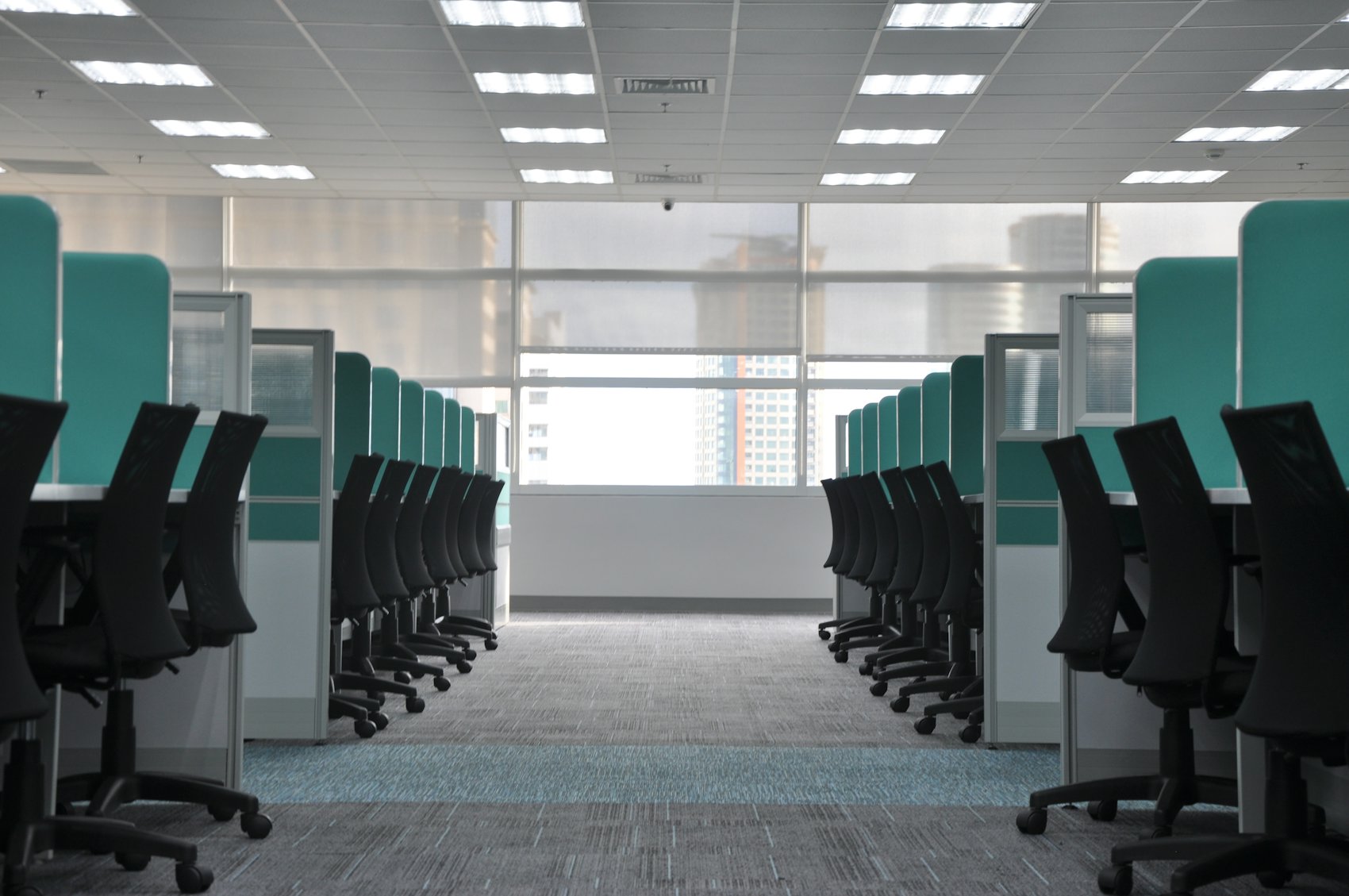
A funded startup's first real office should be furnished in this order: a quality task chair and a proper desk or workstation for everyone in on a busy day, a meeting room sized for the calls you actually take, phone rooms or quiet spots, storage, and a kitchen. Pre-owned furniture from the major manufacturers covers most of that quickly, with in-stock items installed in as little as 72 hours, and leaves cash for hiring. Remanufactured pieces usually take 7 to 14 days and new usually takes 4 to 6 weeks, so save new for a few visible items. Plan the floor for the headcount you expect in 12 to 18 months, then buy for the next six.
This guide is for the founder, head of operations or first office manager who just signed a lease and has never furnished an office before. If your timeline is tight, pair it with furnishing a new office lease in 60 days.
- What to buy first, and what can wait
- Benching, desks or workstations
- Where pre-owned beats new
- Planning for the next hire, and the next 30
- Meeting rooms and phone rooms
- A first-office timeline
What to buy first, and what can wait
| Priority | Item | Why |
|---|---|---|
| Day one | Task chairs | People sit in them all day; a bad chair is noticed in a week |
| Day one | Desks, benching or workstations | Everyone needs a real worksurface, power and a place for monitors |
| Day one | One meeting room | Investor, candidate and customer calls need a door |
| Day one | Kitchen basics | Tables and chairs where people eat and talk |
| First month | Phone rooms or quiet spots | Open offices get loud as soon as half the team is on calls |
| First month | Storage and lockers | Equipment, inventory and personal items need a home |
| Later | Lounge seating, decor, specialty pieces | Buy after you see how people use the space |
The chair is the one place not to cut corners. Task chairs from the major manufacturers are designed for years of heavy use and adjust to different bodies. Pre-owned office chairs in remanufactured or pre-owned condition are the easiest upgrade a startup can make.
Benching, desks or workstations
Benching
Long shared worksurfaces with power along the spine. Dense, open and easy to add seats to. Good for small teams who collaborate constantly. The downside is noise and almost no personal space.
Desks with low dividers
Individual desks with a low screen between neighbors. A small step up in privacy, and easy to rearrange.
Low-panel workstations
Systems workstations with 47-inch panels give each person a defined space, storage and some acoustic separation while keeping sightlines open. As the team grows and adds people who spend the day on calls or need focus, this layout usually holds up better than open benching. See cubicle configurations and collaborative cubicle design for options.
Many startups mix them: benching for a product team, low-panel workstations for sales and finance.
Where pre-owned beats new
A startup's first office has two goals that pull against each other: look credible to candidates, customers and investors, and keep cash for hiring. Grade choice is how you balance them.
- Pre-owned (liquidation grade): in stock, installed in as little as 72 hours. Best for workstations, chairs and storage when speed matters. Finish is whatever is in stock. Browse used cubicles and pre-owned office furniture.
- Remanufactured: usually 7 to 14 days. Rebuilt with fabrics and laminates you choose, so the whole floor matches. See remanufactured workstations.
- New: usually 4 to 6 weeks. Worth it for the reception area, the main meeting room, or a piece nobody has in stock.
Manufacturer warranties generally do not transfer to pre-owned furniture, so if a warranty matters for a specific item, that item is a candidate for new.
Planning for the next hire, and the next 30
Funded startups often double within a year or two. Furniture decisions made for twelve people will be tested at twenty-five.
- Plan the whole floor at full capacity. Draw the layout for the most people the lease can hold, including future rows, meeting rooms and the power path. Space planning is free.
- Buy for the next six months. Do not fill the floor with empty desks. Use open area for project tables until it is needed.
- Stay on one system. Workstations from one manufacturer and product line can be added to and reconfigured. Mixed systems usually cannot be joined. Write down the spec at the first purchase.
- Rough in power for later. Ask the electrician to bring power to future rows now.
- Plan to the busy day. If the team is hybrid, count the peak day, not total headcount.
Our guide to cubicles for a growing company covers phased buying in more detail.
Meeting rooms and phone rooms
The most common first-office regret is too few rooms with doors. Early teams spend a lot of time on video calls with investors, candidates and customers, and one conference room fills up fast.
- One meeting room for four to eight people is the minimum.
- Add at least one small phone room or enclosed booth for every handful of people who take regular calls.
- Put a camera, a screen and decent acoustics in the main meeting room from day one.
- Glass-front rooms keep the office feeling open without carrying sound.
A first-office timeline
| Week | Step |
|---|---|
| 1 | Get the floor plan from the landlord, set head count for the next 12 to 18 months, request a space plan |
| 2 | Approve the plan, pick layout styles, choose grades for each item |
| 3 | Approve the quote, order new items, book the electrician and building access |
| 4 to 6 | Electrical rough-in, remanufactured items in production, pre-owned reserved |
| 6 to 8 | Delivery, installation, final electrical connections, IT setup, move in |
Electrical work, delivery and professional installation are quoted separately from the furniture. Ask for all of them at once.
Send your floor plan and head count through the quote request, or write to hello@officestation.com. Every project is quoted individually, and space planning is free.
Frequently asked questions
What furniture does a startup need for its first office?
Start with a good chair and a proper desk or workstation for every person who will be in on a busy day, enough meeting space for the calls you actually take, a few phone rooms or quiet spots, storage for equipment, and a kitchen area. Lounge furniture, decor and specialty pieces can wait until you see how people use the space.
Should a startup buy new or used office furniture?
Most startups mix. Pre-owned workstations and chairs from major manufacturers are fast, with in-stock items installed in as little as 72 hours, and they leave cash for hiring. Remanufactured pieces, usually 7 to 14 days, give a consistent finish. New, usually 4 to 6 weeks, makes sense for a few visible pieces or items nobody has in stock.
Should startups use desks or cubicles?
Many early teams prefer open benching or desks with low dividers because it keeps the team visible and is easy to rearrange. As the company grows and adds roles that need focus, such as engineering, finance or sales on calls, low-panel workstations with some acoustic separation often work better. Plan the floor so you can shift between them.
How much office space does a startup need?
Plan for the number of people in on your busiest day over the next twelve to eighteen months, plus meeting rooms, phone rooms and a kitchen. The square footage then depends on station size and layout. A free space plan on the actual floor you are considering answers this better than a rule of thumb.
How long does it take to furnish a startup office?
With a space plan approved in the first week or two, a startup office can often be furnished within 30 to 60 days. In-stock pre-owned furniture can be installed in as little as 72 hours, remanufactured usually takes 7 to 14 days, and new usually takes 4 to 6 weeks. Electrical work and building access are usually the longer lead items.