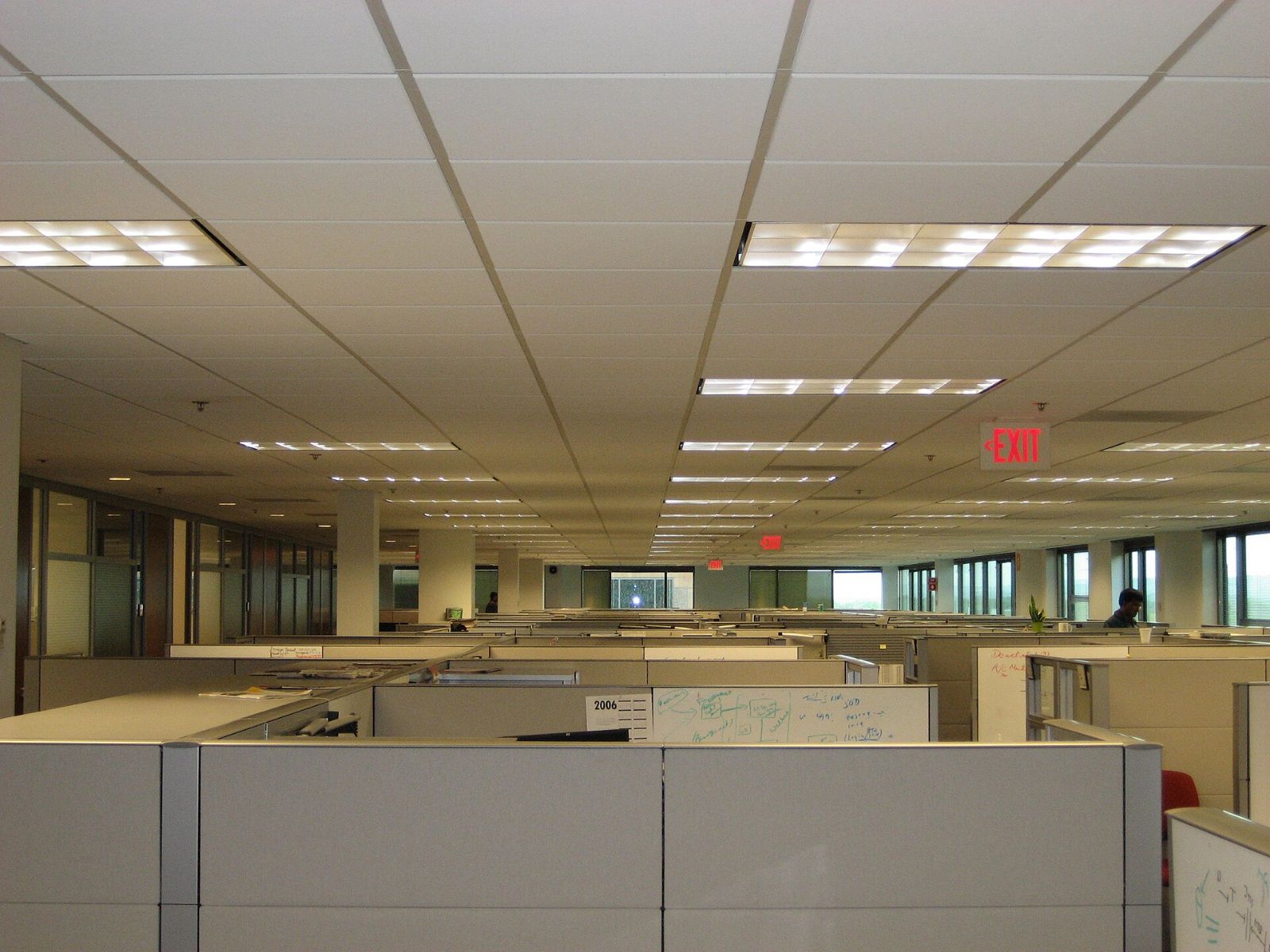
A modular office desk is built from interchangeable parts: work surfaces, supports, panels, screens, storage and power. Instead of buying fixed desks, you buy a system you can configure into single stations, clusters, rows or L-shapes, then reconfigure when the team changes.
That flexibility is worth a lot, but modular systems also come with more decisions than a simple table desk. This page lays out the three tiers Office Station offers, what drives the cost of each, and what else to budget for.
How modular desk systems work
Most modular systems share the same basic building blocks:
- Work surfaces in straight, corner and extension shapes.
- Supports such as panels, legs or a beam that carries the surface.
- Panels and screens that set the height of the divider between neighbors.
- Storage including pedestals, overhead bins and lateral files.
- Power and data routed through panels, raceways or a beam, then connected by an electrician.
Because the parts connect, one floor plan can mix low-panel collaborative rows with taller-panel focus stations using the same product line.
When modular beats fixed desks
Fixed desks are simpler and cheaper per piece, so modular is not automatically the better buy. It tends to pay off in a few situations:
- Your headcount changes often. Adding a station to an existing run is easier than finding matching standalone desks months later.
- You need power at every seat. Systems with powered panels or beams keep cords off the floor across long rows.
- Teams need different levels of privacy. Swapping panel heights changes the feel of a zone without replacing the desks.
- You expect to move. Modular parts break down and rebuild in a new layout, which matters if a relocation is on the horizon.
If none of those apply, compact freestanding desks may do the job for less. See laptop desks for office use for that route.
Three tiers of modular office desks
Liquidation-grade
Pre-owned systems recovered from corporate offices and sold with a condition grade: A like new, B very good, or C good. This is the fastest and lowest-cost path. Finishes reflect what came out of the source office, so it works best when you can be flexible on color.
Remanufactured
Pre-owned systems that are reworked for a more consistent look. You pay more than liquidation-grade and wait a little longer, but you get a more uniform result across a large floor.
New
Brand-new systems with the widest choice of finishes and configurations. The tradeoff is the highest price and the longest lead time.
Modular desk tiers compared
Here is how the tiers compare for a standard 6' x 6' workstation.
| Tier | Typical lead time | Best when |
|---|---|---|
| Liquidation-grade | As little as 72 hours in stock | Budget and speed come first |
| Remanufactured | Usually 7 to 14 days | You want a consistent look at a lower cost than new |
| New | 4 to 6 weeks | You need specific finishes or configurations |
What drives the cost
Grade is the biggest factor, but it is not the only one. A modular quote also reflects:
- Quantity. Larger orders are quoted together, and your quantity is reflected in the written quote.
- Station size and panel height. Bigger surfaces and taller panels mean more parts.
- Power and storage. Powered panels or beams, pedestals and overhead bins add components.
- Finishes and matching. A specific color or a matched set across a large floor narrows the inventory.
- Delivery and installation. These depend on your address, building access and the complexity of the layout. Outside Greater Phoenix, delivery is freight quoted per project.
Furniture, delivery and installation appear as separate lines, and electrical is a separate trade. Every project is quoted individually.
Installation and electrical
Modular desks are not flat-pack furniture. Panels need to connect tightly, surfaces need to sit level, and runs of stations need to line up with aisles and power sources.
- Professional installation is recommended for any modular system. Crews assemble panels, connectors and surfaces square and level, and line runs up with aisles and power.
- Electrical is not included. Powered panels and beams need a licensed electrician to connect to building power, and your landlord or building may have its own requirements.
- Data cabling is usually handled by your IT vendor. Coordinate their schedule with installation so cables route through the system before surfaces are closed up.
Modular desk buying checklist
- Confirm the station size your roles actually need. Not everyone needs 6' x 6'.
- Choose a panel height for each zone: low for collaboration, taller for focus.
- Locate floor boxes, walls and columns that feed power.
- Decide on storage per station: pedestal, overhead, lateral or none.
- Pick the tier by zone. Liquidation-grade for back-of-house, new or remanufactured where finish matching matters.
- Record the manufacturer and product line so future additions are compatible.
- Match your move-in date to the tier's lead time.
Related services
Replacing an old system? If your team is moving, see corporate relocation. For seating to go with your new stations, browse pre-owned office chairs.
Frequently asked questions
What is the difference between liquidation-grade, remanufactured and new modular desks?
Liquidation-grade desks are pre-owned systems sold as they come out of an office, graded for condition, and priced lowest. Remanufactured systems are reworked for a more uniform look and cost more. New systems cost the most and take the longest to arrive.
How much does a modular office desk cost?
It depends on grade (liquidation-grade, remanufactured or new), station size, panel height, power, finishes and quantity. Delivery and professional installation are separate lines, and electrical is a separate trade. Every project is quoted individually.
Do I need professional installation for modular desks?
Yes, it is recommended. Modular systems have panels, connectors, surfaces and often power components that need to be assembled square and level. Installation is quoted with your project, based on the number of stations, building access and the complexity of the layout. Electrical hookup is separate and should be handled by a licensed electrician.
Can I add to modular desks later?
That is the main advantage of a modular system, but compatibility matters. Adding to the same manufacturer and product line is the safest path. Keep a record of what you bought so future additions match.
How long does it take to get modular office desks?
Liquidation-grade systems in stock can be ready in as little as 72 hours. Remanufactured usually takes 7 to 14 days, and new typically takes 4 to 6 weeks.