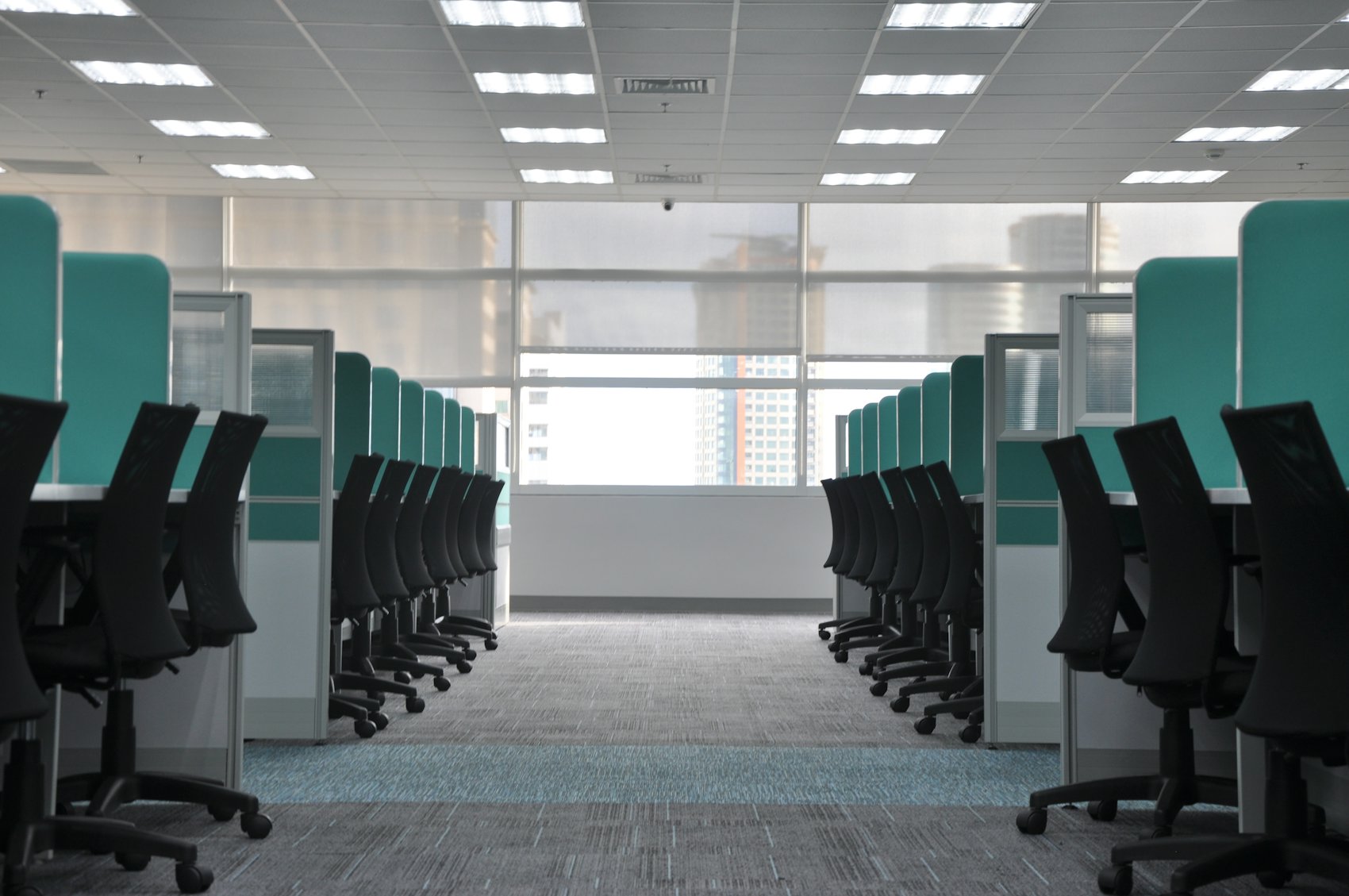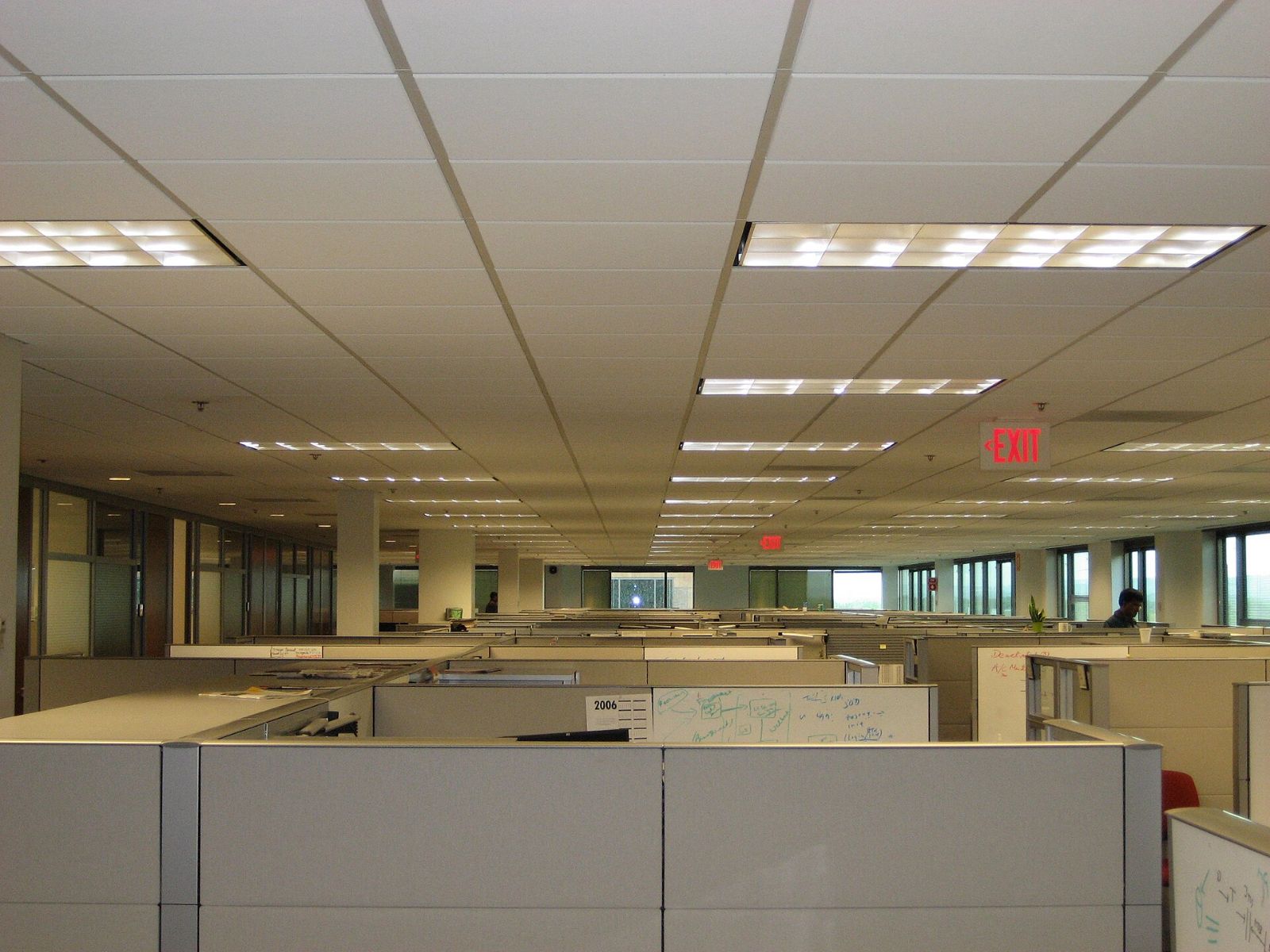
Most offices that need more seats or more privacy already own a perfectly good panel system. Used cubicle panels let you extend a row, turn a 6x6 into an 8x8, raise the height between noisy neighbors or close off an open end, all without replacing stations that still work. The catch is compatibility. This page explains how to identify what you have, what to measure and how to order panels that actually connect.
When panels make more sense than new stations
- Adding a few seats to the end of an existing run.
- Resizing stations, for example stretching a 6x6 to a larger manager footprint.
- Raising privacy by swapping low panels for taller ones on aisle or spine sides.
- Replacing damaged panels with stained fabric, broken frames or missing trim.
- Reconfiguring from long rows into pods, or the reverse, after a team change.
If you need a full floor of new seats or want to change product lines entirely, complete stations are often simpler. Compare with 6x6 cubicles and their published prices.
The compatibility rule
Panel systems are engineered around their own connectors, top caps, base covers and power harnesses. A panel from one manufacturer almost never joins cleanly to another, and even two product lines from the same manufacturer may not connect. Matching the product line is the first and most important step.
Office Station sells pre-owned furniture from manufacturers including Herman Miller, Steelcase, Knoll, Haworth, Teknion, Allsteel, Kimball, AIS and Friant, as an independent reseller rather than an authorized dealer.
What to measure and record
| Item | How to capture it | Why it matters |
|---|---|---|
| Manufacturer and product line | Labels under work surfaces, in drawers or on frames | Determines whether a panel will connect at all |
| Panel height | Floor to top of cap | Heights must line up for caps and stacked components |
| Panel width | Edge to edge, not including connectors | Sets station footprint and run length |
| Connection types | Photos of two-way, three-way and four-way joints | Each needs the right hardware |
| Power | Note whether panels have base raceways or outlets | Powered and non-powered panels are not interchangeable |
| Fabric and trim finish | Daylight photo next to a white sheet of paper | Keeps new sections visually consistent |
| Hung components | Photos of work surface brackets and overheads | Brackets must fit the panel's slots |
Types of panels and dividers
Full-height fabric panels
The standard building block. Fabric-wrapped surfaces soften sound and accept pins.
Stacking or glass toppers
Some lines let you add a glazed or fabric section on top of an existing panel to raise height while keeping light. Only use toppers designed for your line.
Powered panels
These carry electrical and sometimes data through a base raceway. Your electrician handles the hardwire connection to the building, since electrical work is not included in furniture pricing.
End panels and finished ends
These close off the exposed end of a run and give the aisle a clean look. They are easy to forget when extending a row.
Freestanding desk dividers
Screens that clamp to or sit on a desk, useful for benching and open tables that are not part of a panel system.
Condition and matching across an order
Office Station grades pre-owned furniture A like new, B very good or C good. When you are extending a visible run, grade and fabric color matter more than on a standalone station. Pre-owned stock varies, so exact fabric matches are not always available. In that case, many offices put the new panels on the spine or back side of a run where differences are less noticeable, or re-sequence panels so the mix looks intentional.
Before you order used cubicle panels
- Confirm manufacturer and product line from labels and connector photos.
- Measure heights and widths of the panels you are matching.
- Count every connection, end and corner in the new layout, not just panels.
- Decide which panels need power and plan the electrician visit.
- List hung components that must attach, such as work surfaces and overheads.
- Get a layout drawn. Space planning is free and catches missing parts before delivery.
Common mistakes to avoid
- Ordering panels without connectors. A new run needs the joining hardware for every corner and tee, not just the panels themselves.
- Forgetting the end of the run. Extending a row moves the finished end panel, and you may need one more.
- Mixing heights by accident. A panel an inch or two off can leave caps and hung surfaces misaligned.
- Assuming powered panels will plug in. Harnesses and raceways are line-specific and still need an electrician.
Installation, delivery and old panels
Professional installation is $95 per workstation with a $495 minimum. Greater Phoenix delivery is $195 central or $295 metro, and freight elsewhere in the country is quoted per project. If a reconfiguration leaves you with stations you no longer need, Office Station provides office furniture liquidation with a written net offer. Planning a bigger change? See call center cubicles for dense layouts or browse used cubicles.
Average market rate Prices subject to availability and project pricing.
Frequently asked questions
Can I mix used cubicle panels with my existing system?
Usually only within the same manufacturer and product line. Panel systems connect with line-specific hardware, so a panel from one line rarely attaches cleanly to another. Identify your manufacturer and product line before you buy anything.
How do I find out what cubicle system I have?
Look for labels on the underside of work surfaces, inside pedestal drawers or on panel frames, and photograph the connector hardware where panels meet. Measure panel heights and widths. Sending those photos and measurements with your request is the fastest way to get a correct match.
Do used panels come with a warranty?
Generally no manufacturer warranty. Office Station sells pre-owned furniture as an independent reseller, not an authorized dealer, and manufacturer warranties generally do not transfer to pre-owned furniture. Ask for the condition grade of the panels you are quoted.
Is it cheaper to buy panels or complete stations?
If you only need a few more seats on an existing run, panels and components are often the smaller purchase. If you need many new seats or a different footprint, complete stations can be simpler. For reference, a complete 6'x6' liquidation-grade station is $615, furniture only.
Can Office Station install the panels?
Yes. Professional installation is $95 per workstation with a $495 minimum. Electrical connections for powered panels are not included, and delivery outside Greater Phoenix is quoted per project.
Average market rate Prices subject to availability and project pricing.