Clients form an opinion about your firm before anyone says a word. The reception chairs, the conference table and the desk behind the attorney all send a signal. At the same time, a law practice runs on paper, long hours and confidential conversations, so furniture has to work hard, not just look good. The smart move for many firms is pre-owned designer furniture: the same caliber of desks, tables and chairs you see in large firms, at a price that fits a growing practice.
Private attorney offices
The private office is where attorneys draft, take calls and meet one-on-one with clients. Plan it around three zones: a work surface, a meeting spot and storage.
Desk configuration
- U-shaped or L-shaped desks give room for a monitor, open files and a writing surface at the same time.
- A credenza or hutch behind the desk keeps reference books and active matters within reach.
- A height-adjustable surface is worth considering for attorneys who spend long stretches reviewing documents.
Seating
Give each attorney a quality task chair with full adjustability, since billable hours are spent sitting. Add two guest chairs for client consultations. Guest chairs are an easy place to use a slightly more traditional style if the firm wants a classic look. See pre-owned office chairs for task and guest options.
Consistency across offices
Partners may want a more distinctive office, but associates' offices should look consistent. Buying a matched set of pre-owned casegoods from the same product line makes that easier and makes future moves simpler.
Conference rooms that close deals
The conference room hosts depositions, mediations, client meetings and closings. It is the single best place to spend on appearance.
- Size the table to the room. Leave at least three feet between the table edge and the wall so people can pull chairs out and walk behind them.
- Plan for power. Laptops and video calls are standard, so a table with a power and data module saves cords across the floor.
- Choose chairs that look alike and move easily. A matched set of conference chairs on casters signals order. Mixed chairs signal leftovers.
- Add a credenza. It holds exhibits, water service and AV equipment out of sight.
File storage and records
Even firms that have gone largely digital keep a surprising amount of paper. Storage decisions affect floor space, security and daily workflow.
| Storage type | Best for | What to check |
|---|---|---|
| Metal lateral files | Active client files along corridors and in file rooms | Working locks and keys, smooth drawer glides, letter and legal hanging rails |
| Pedestals | Working files at each attorney or paralegal desk | Lock function, fits under the work surface, mobile or fixed |
| Bookcases | Reference materials in attorney offices | Shelf sag on long spans, finish matches the desk |
| Storage towers and cabinets | Supplies, exhibits and closed-matter boxes | Adjustable shelves, locking doors |
Before you buy, count your current linear feet of files and decide what stays on site. Firms often discover they can archive older matters and free an entire room.
Paralegal and support workstations
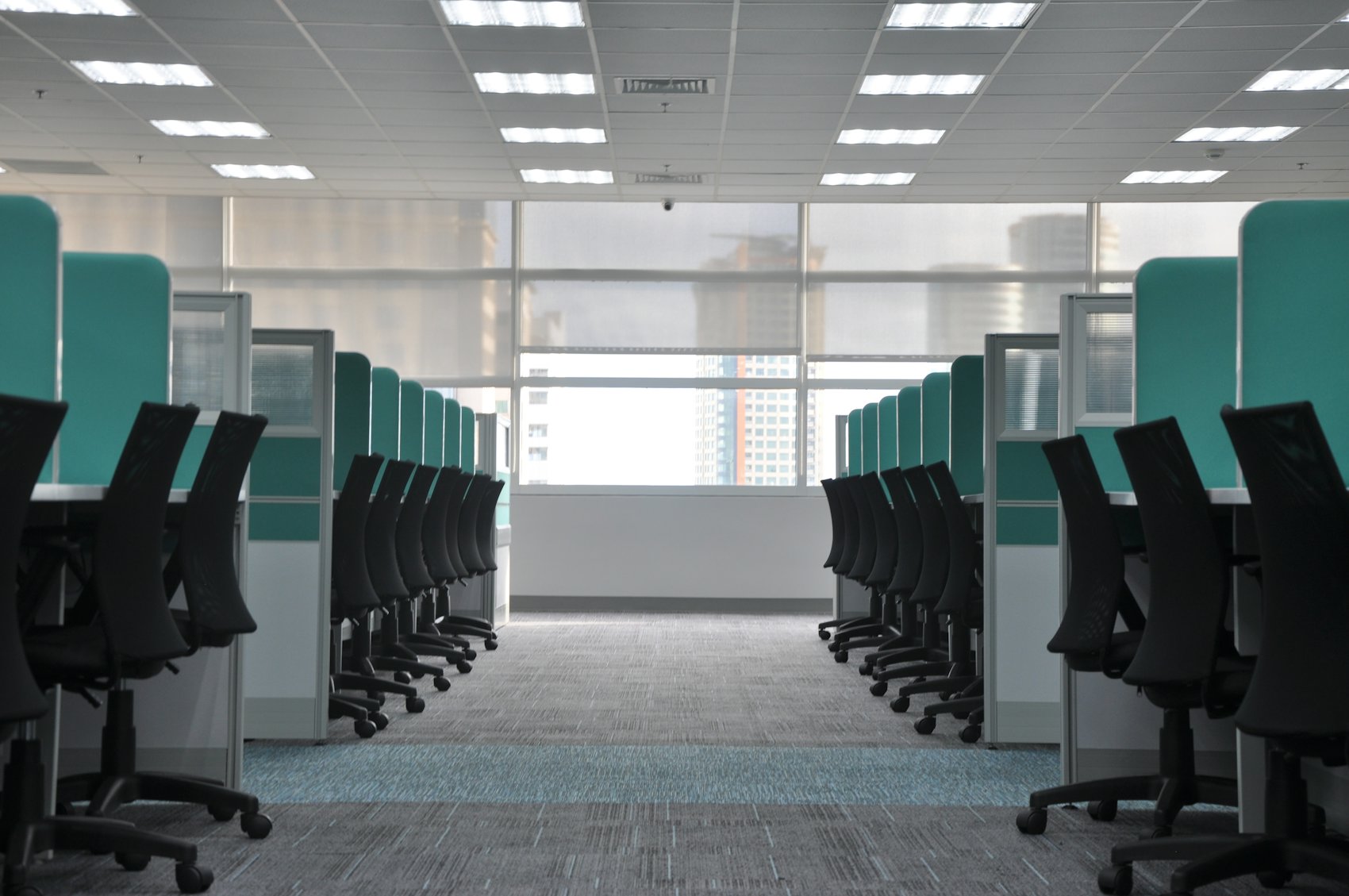
Paralegals and legal assistants need more surface area and storage than a typical open-plan seat. A 6'x6' workstation with a mid-height panel gives acoustic privacy for phone calls and room for files. Pricing for a furniture-only 6'x6' station is $615 liquidation-grade, $1,245 remanufactured and $1,920 new, excluding electrical, delivery and installation. Installation is $95 per workstation with a $495 minimum.
Taller panels near attorney offices help keep conversations from carrying. Browse used cubicles to compare panel heights and layouts.
Reception and waiting area
Reception sets expectations. Keep it calm, uncluttered and private.
- A reception desk with a transaction ledge so visitors cannot see screens or paperwork.
- Guest seating with arms, which is easier for clients of all ages to use.
- Seating placed so waiting clients cannot overhear calls or see into offices.
- A small side table instead of a large coffee table, which tends to collect clutter.
Confidentiality during a move
Relocations create risk for a law firm. Old computers, copiers and drives can hold client data, and file cabinets sometimes leave the building with documents still inside. When you vacate a space, office decommissioning includes e-waste handling with certificates of data destruction, an itemized inventory and a photo-documented broom-clean handback. Walk every drawer before removal day.
If you are moving, a corporate relocation can be scheduled with nights and weekends crews so the firm stays open for clients. Old furniture you are not taking can be evaluated for a written net offer: resale value minus removal cost, with a positive number paid to the firm.
Law office furniture checklist
- Count attorneys, paralegals and staff now and in two years.
- Get a free space plan with conference room clearances marked.
- Decide the look: traditional wood, modern or a mix.
- Assign condition grades by room.
- Measure current file volume and set a storage target.
- Confirm locks and keys on every file and pedestal.
- Match lead times to the lease start date.
- Plan data destruction for any electronics leaving the old space.
Ready to plan your space? Email hello@officestation.com with your headcount and room list.
Average market rate Prices subject to availability and project pricing.
Frequently asked questions
What furniture does a small law firm need first?
Start with attorney desks and task chairs, a conference table with seating for client meetings, lockable file storage and a reception area. Paralegal and support workstations come next. Buying in that order puts money where clients and daily productivity feel it most.
Is pre-owned furniture appropriate for a law office?
Yes, as long as you choose the right condition grade. Grade A like new and Grade B very good pieces work well in client-facing rooms, while Grade C good pieces can make sense in file rooms and back offices. Office Station sells pre-owned designer furniture as an independent reseller, so ask to see condition details before you buy.
What kind of file storage works best for law firms?
Metal lateral files with locks are the workhorse for active client files because they hold letter and legal documents and fit along walls. Pedestals under desks keep working files close to each attorney. Plan capacity for growth, and confirm your records policy for anything that must be secured.
How long does it take to furnish a new law office?
It depends on the tier. Liquidation-grade workstations can be available in as little as 72 hours when in stock, remanufactured usually takes 7 to 14 days, and new furniture typically takes 4 to 6 weeks. Space planning is free, which helps you lock the layout early.
What should a firm do with old furniture when it relocates?
Get a written net offer. Office Station calculates the resale value of your furniture minus removal cost, and a positive number means the firm is paid. Office decommissioning also covers e-waste with certificates of data destruction, which matters for client confidentiality.