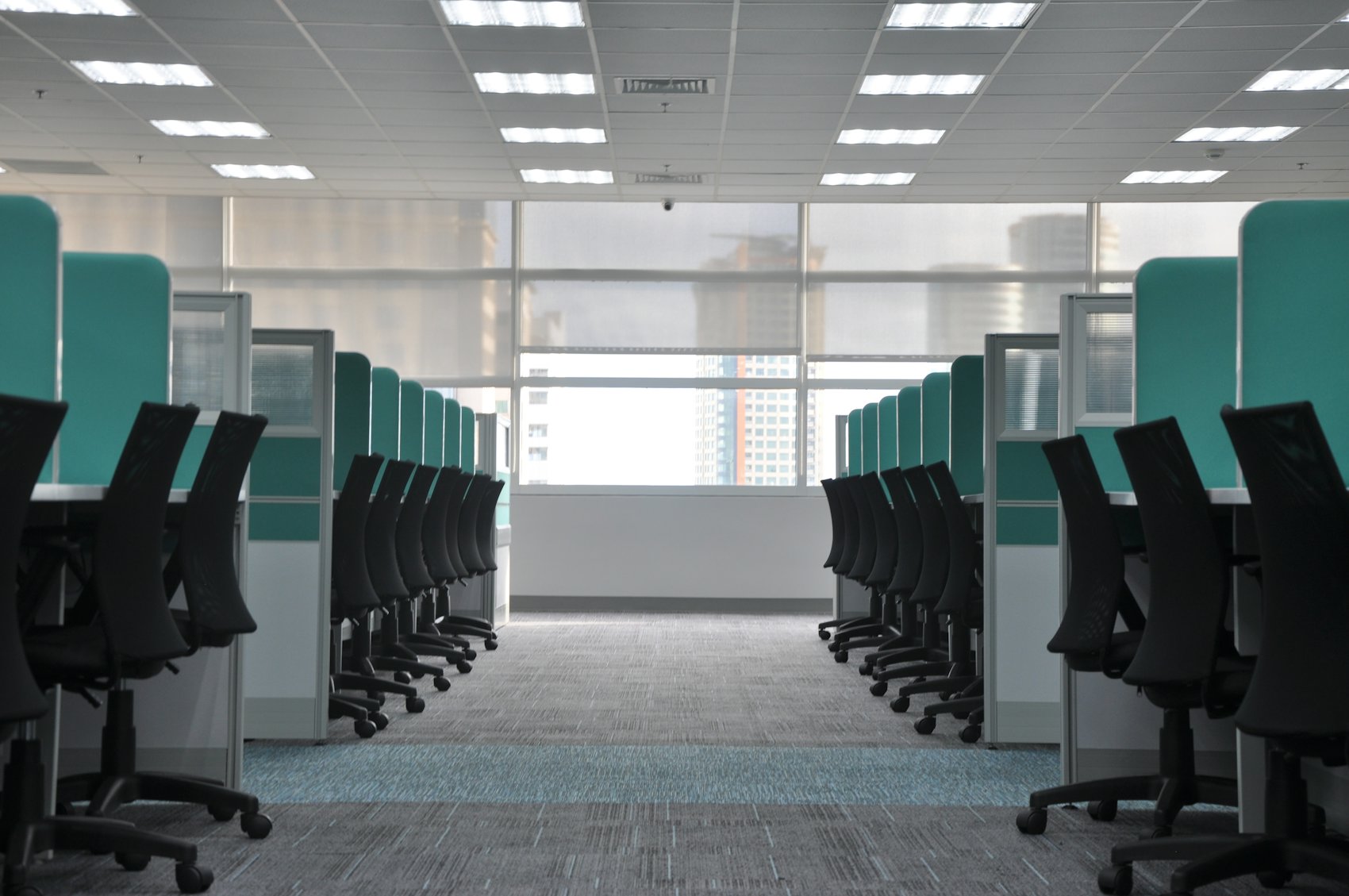
Color psychology in the workplace gets oversold. You will read that blue makes people focused and red makes them anxious, as if paint alone can change output. The honest version is simpler. Color affects how a space feels, how big or small it looks, and how clearly people understand what each area is for. Used with a plan, it makes an office feel calm, organized and on brand. Used at random, it makes even good furniture look mismatched.
This guide skips the hype and focuses on choices you can actually make: which colors suit which zones, how much of each to use, and how to blend pre-owned furniture finishes into a palette that looks deliberate.
What color actually does in an office
Think of color as working on three levels:
- Mood. Softer, muted tones tend to feel calmer. Saturated, bright tones feel energetic and can become tiring over a full workday.
- Perception of space. Light colors make walls recede and rooms feel larger. Dark colors pull walls in and make large rooms feel more intimate.
- Wayfinding. A consistent accent color for meeting rooms, or a different one for quiet zones, helps people read the floor plan without signs.
Individual reactions vary, and lighting changes everything. A green that looks fresh under daylight can look muddy under cool fluorescent fixtures. Always test samples in the actual room, at different times of day, before you commit.
Choosing colors by zone
Instead of picking one color for the whole office, match the color strategy to what happens in each area.
| Zone | What the room needs | Color approach | Where to put it |
|---|---|---|---|
| Focus workstations | Low distraction for long stretches | Soft neutrals, muted blues and greens | Panels and worksurfaces neutral, accent on a single tackboard or chair |
| Collaboration areas | Energy and conversation | Warmer or brighter accents in controlled doses | Lounge upholstery, one feature wall |
| Conference rooms | Attention on people and screens | Mid-tone neutrals, avoid bright walls behind displays | Chair fabric, wall opposite the screen |
| Reception | A clear first impression | Brand colors used sparingly on a neutral base | Lobby seating, a logo wall, small tables |
| Break room | A mental reset from desk work | Warm tones, wood finishes, some contrast | Chairs, table bases, backsplash |
| Quiet or wellness rooms | Rest and privacy | Low-saturation, darker, softer tones | Walls and soft seating |
Notice the pattern: the large, expensive surfaces stay neutral and the accents live on items that are easier to change later, like chairs, paint and small tables.
Build a palette with the 60-30-10 rule
The 60-30-10 rule is a simple way to keep a space balanced:
- 60 percent dominant color. Walls, flooring and most large furniture surfaces. Usually a neutral.
- 30 percent secondary color. Panels, casegoods, table tops or a wood tone that adds warmth.
- 10 percent accent. Seating fabric, a feature wall, planters or signage. This is where your brand color belongs.
Pick the dominant neutral first, and pick it with your furniture in mind. Worksurface laminates, panel fabrics and metal frames come in a limited range of standard tones. Starting from the furniture is easier than starting from a paint chip and hunting for furniture to match.
How to mix pre-owned finishes into one palette
Buying pre-owned furniture is a smart way to stretch a budget, and it often means your cubicles, conference tables and chairs come from different manufacturers. Here is how to make that look like a plan instead of a patchwork.
Anchor with the largest pieces
Workstations cover more visual area than anything else in an open office. Choose their panel fabric and worksurface tone first, then treat that as your 60 percent color. If you are pricing workstations, the used cubicles page explains the difference between liquidation-grade, remanufactured and new options, which affects how much finish choice you have.
Keep metal consistent
Frames, legs and pulls in the same metal tone tie different brands together. Silver, black and white metal each read differently. If you cannot match every piece, keep one metal finish per zone.
Let seating carry the accent
Chair upholstery is the easiest place to add color. Pre-owned chairs from brands such as Herman Miller, Steelcase, Haworth or Humanscale may come in whatever fabric the original owner chose, so decide on a range rather than one exact shade. Black and charcoal chairs are the safest bridge between mixed furniture. Browse pre-owned office chairs with a primary and backup color in mind.
Use wood tones as the secondary color
A single wood tone repeated in tables, credenzas and break room surfaces warms up a neutral base. Mixing more than two wood tones in one room is where cohesion usually breaks down.
Match condition to visibility
Office Station grades pre-owned furniture A like new, B very good and C good. Color matters most where people look closely, so place grade A pieces in reception and conference rooms, and use B or C grade pieces where minor wear will not stand out.
Office color planning checklist
- List your zones and what each one needs to feel like.
- Choose warm or cool undertones for the whole office.
- Pick the dominant neutral from your workstation panel and worksurface finishes.
- Choose one secondary tone, often a single wood finish.
- Limit accent colors to one or two, drawn from your brand.
- Assign accents to chairs, paint and small tables, not to large panels.
- Test samples in the real room under your actual lighting.
- Keep metal finishes consistent within each zone.
- Put your best-condition pieces where visitors and clients see them.
Plan color and layout together
Color decisions are easier when you can see them on a floor plan, because you know how much panel, wall and upholstery area each choice covers. Office Station offers free space planning, and you can note your preferred finishes when you request a workstation quote. Keep in mind that workstation prices exclude electrical, delivery and professional installation, so budget for those alongside any paint work.
If your color refresh is part of a bigger move, and the old furniture no longer fits the new look, a written net offer through office furniture liquidation can help offset the cost of the new space.
Frequently asked questions
What is the best color for a productive office?
There is no single best color. Most offices do well with a calm neutral base, such as warm white, greige or soft gray, and a limited set of accent colors placed where they support the purpose of each zone. How the color is used matters more than the hue itself.
Does color psychology in the workplace really work?
Color influences mood and perception, but the effects are modest and vary by person, culture and lighting. Treat color as one design tool alongside layout, acoustics, daylight and comfortable furniture, not as a guaranteed productivity boost.
Can I mix pre-owned furniture from different brands and still have a cohesive look?
Yes. Pick one dominant neutral for large surfaces like worksurfaces and panels, keep metal finishes consistent where you can, and let seating fabric carry the accent color. Repeating the same two or three colors across zones makes mixed pieces read as one plan.
Should cubicle panels be colorful?
Usually the large panel surfaces work best in neutral tones, because they cover a lot of visual area and are expensive to change. If you want color at the workstation, use a single accent such as a tackable panel insert or chair upholstery instead.
Can Office Station help me plan a color scheme with furniture?
Office Station offers free space planning, and you can share your finish preferences when you request a layout or a cubicle quote. Available finishes on pre-owned furniture depend on what is in stock, so it helps to name a primary and a backup option.