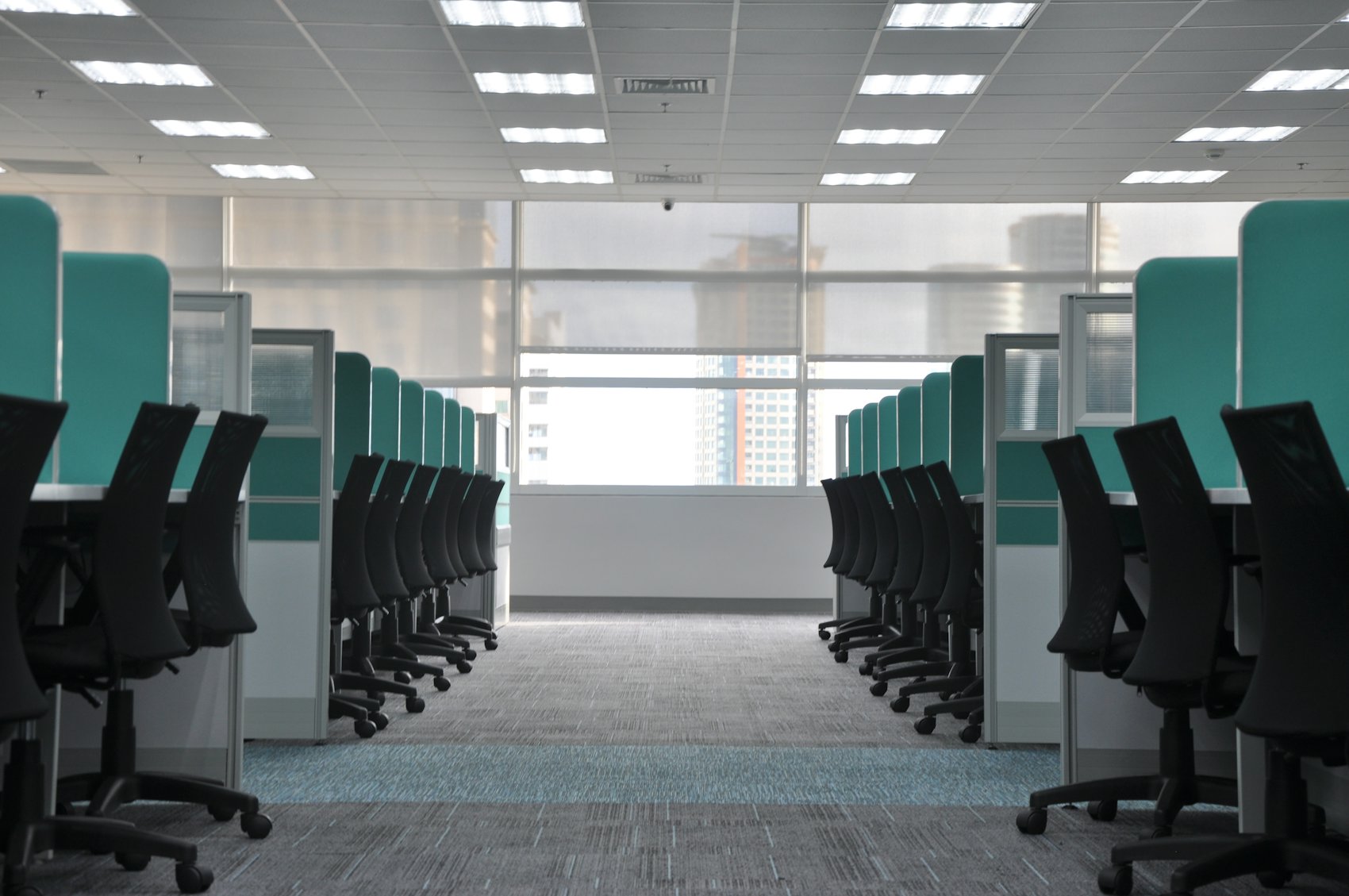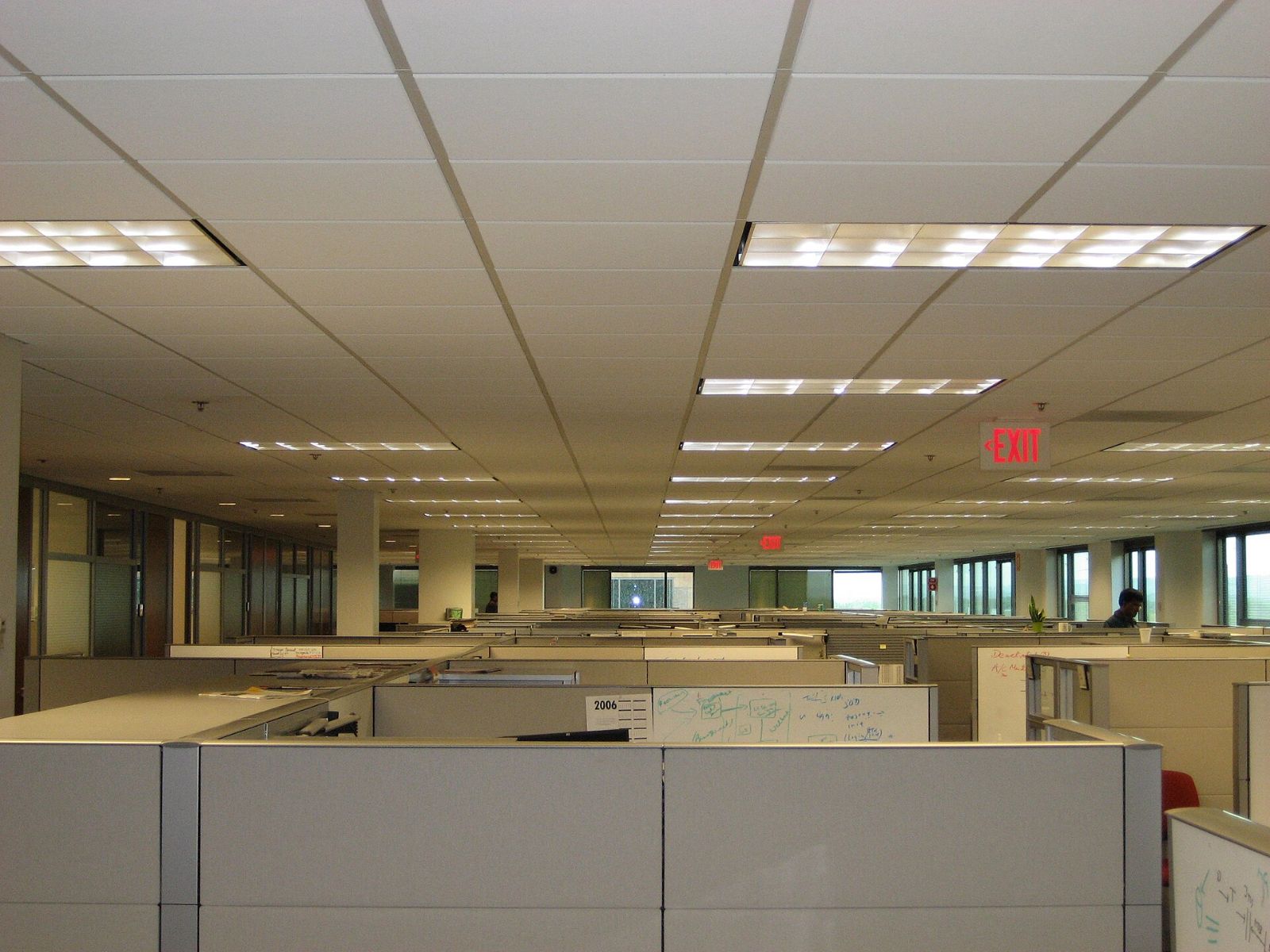
A training room table has a different job than a desk. It gets moved, stored, linked and reset constantly, often by whoever booked the room that day. Buying for that reality, rather than for the room photo, is what keeps a training space useful for years.
Flip-top versus nesting tables
Almost every modern training room table is one of these two styles. The difference shows up when the room needs to be cleared.
| Feature | Flip-top | Nesting | Fixed-leg |
|---|---|---|---|
| Top folds to vertical | Yes | Yes | No |
| Stores tightly in a row | Partially | Yes, legs interlock | No |
| Casters | Usually | Almost always | Sometimes |
| Reconfiguration speed | Fast | Fastest | Slow |
| Stability at rest | Good | Good with locking casters | Best |
| Best for | Rooms reset weekly | Multi-use rooms cleared often | Permanent classroom rows |
If your room doubles as an event space, a lunch room or an all-hands area, nesting tables pay for themselves in reset time. If the layout stays in classroom rows for months at a time, a simpler flip-top or even a fixed-leg table can be the better value.
Specs that matter
Size
Pick one standard size for the whole room. Tables of the same width and depth combine into rows, U-shapes, squares and pods without gaps. Two people side by side need at least 60 inches of width. For laptop work, a 30 inch depth keeps screens and notes from crowding each other.
Base and casters
Look for locking casters on every leg, not just two. A table that drifts while someone writes is the most common complaint in training rooms. T-leg bases give more knee room than four-leg designs, which helps when people sit at the ends.
Modesty panels
A front panel adds privacy in lecture layouts and gives a mounting point for cable management. It can also block knees when tables are pushed together face to face, so think about which layouts you use most.
Power and data
Laptops in a full-day session need power. Options include flip-up power modules in the top, grommets feeding floor boxes, and cords that daisy-chain between linked tables. Confirm how power reaches the room and whether your layout crosses walkways. Electrical work is not included in furniture pricing.
Linking hardware
Connectors that clip tables together keep rows straight and stop gaps from opening mid-session. They are a small add-on that makes a big difference in how the room feels.
Planning a full room
Outfitting a whole training room at once is simpler and more consistent than buying in batches. Use this checklist to build your order.
- Maximum seated capacity: how many people in your largest session.
- Primary layout: classroom rows, U-shape, pods or boardroom.
- Secondary layouts: what else the room gets used for.
- Table size: one standard width and depth.
- Presenter station: a lectern or a separate table at the front.
- Power: modules, floor boxes or wall outlets only.
- Seating: stackable or nesting chairs that match the table height.
- Storage: where nested tables and stacked chairs will go.
- Timeline: the date the first session is booked.
As a quick guide, classroom rows of 60 inch tables seat two per table, so a 24 seat classroom takes about 12 tables plus a presenter table. U-shapes and pods use more tables per seat because ends and corners go unused. Our free space planning can map the room and give you an exact count for each layout you want to support.
Plan and quote a training room
Grades and lead times
Office Station supplies furniture new, remanufactured and pre-owned. For training tables, the choice usually turns on timing and how many matching pieces you need.
- New: typically 4-6 weeks, with your choice of size, finish and base. Best when you need a large matched set.
- Remanufactured: usually 7-14 days, refinished to a consistent look.
- Liquidation-grade: as little as 72 hours when in stock, graded A like new, B very good or C good. Quantities depend on what comes out of recent projects.
Pre-owned tables are sold as an independent reseller, not an authorized dealer, and manufacturer warranties generally do not transfer. You can see what is currently available in pre-owned office furniture.
Volume, delivery and installation
A training room is one of the easiest projects to price as a bundle, because every table is the same. Send your room count and we quote the full room as a single order. For comparison, published volume pricing on workstations is 5% at 20 or more, 8% at 50 or more and 12% at 100 or more stations, so if you are outfitting training rooms alongside open office stations, the whole project can be quoted together.
- Greater Phoenix delivery: $195 central or $295 metro.
- Elsewhere nationwide: freight quoted per project.
- Installation: $95 per workstation with a $495 minimum on workstation projects; table assembly and linking are quoted with the room.
Replacing an old training room
If the tables you are replacing are commercial grade, they may still be worth something. Our liquidation estimator gives you a starting point, and a walkthrough leads to a written net offer: the resale value of the furniture minus the cost of removal. When the number is positive, you get paid. If the refresh is part of a larger move, see corporate relocation for how we coordinate the outgoing and incoming furniture.
Average market rate Prices subject to availability and project pricing.
Frequently asked questions
What is the difference between flip-top and nesting tables?
A flip-top table has a top that tilts to vertical so it takes less floor depth when stored. A nesting table is a flip-top table whose legs and base are designed so several tables slide into each other in a tight row. All nesting tables flip, but not every flip-top table nests efficiently.
What size training table should I buy?
For two people seated side by side, a 60 inch wide table is the common minimum and 72 inches gives more elbow room. Depth of 24 inches suits notebooks and tablets, while 30 inches is better for laptops and printed materials. Choose one standard size so tables can be recombined into any layout.
Do you offer volume pricing for a full training room?
Published volume pricing applies to workstations at 5% for 20 or more, 8% for 50 or more and 12% for 100 or more stations. For training tables, send your full room count and we will quote the room as a single project.
Can I mix new and pre-owned training tables?
You can, but matching finish, height and base style matters more with tables than with most furniture because they are placed edge to edge. If you mix grades, keep one grade per room so rows line up and look consistent.
Is installation required?
Most training tables arrive needing base assembly, and power modules or linking hardware add time. Installation is $95 per workstation with a $495 minimum for workstation projects, and table assembly is quoted with your room order.
Average market rate Prices subject to availability and project pricing.