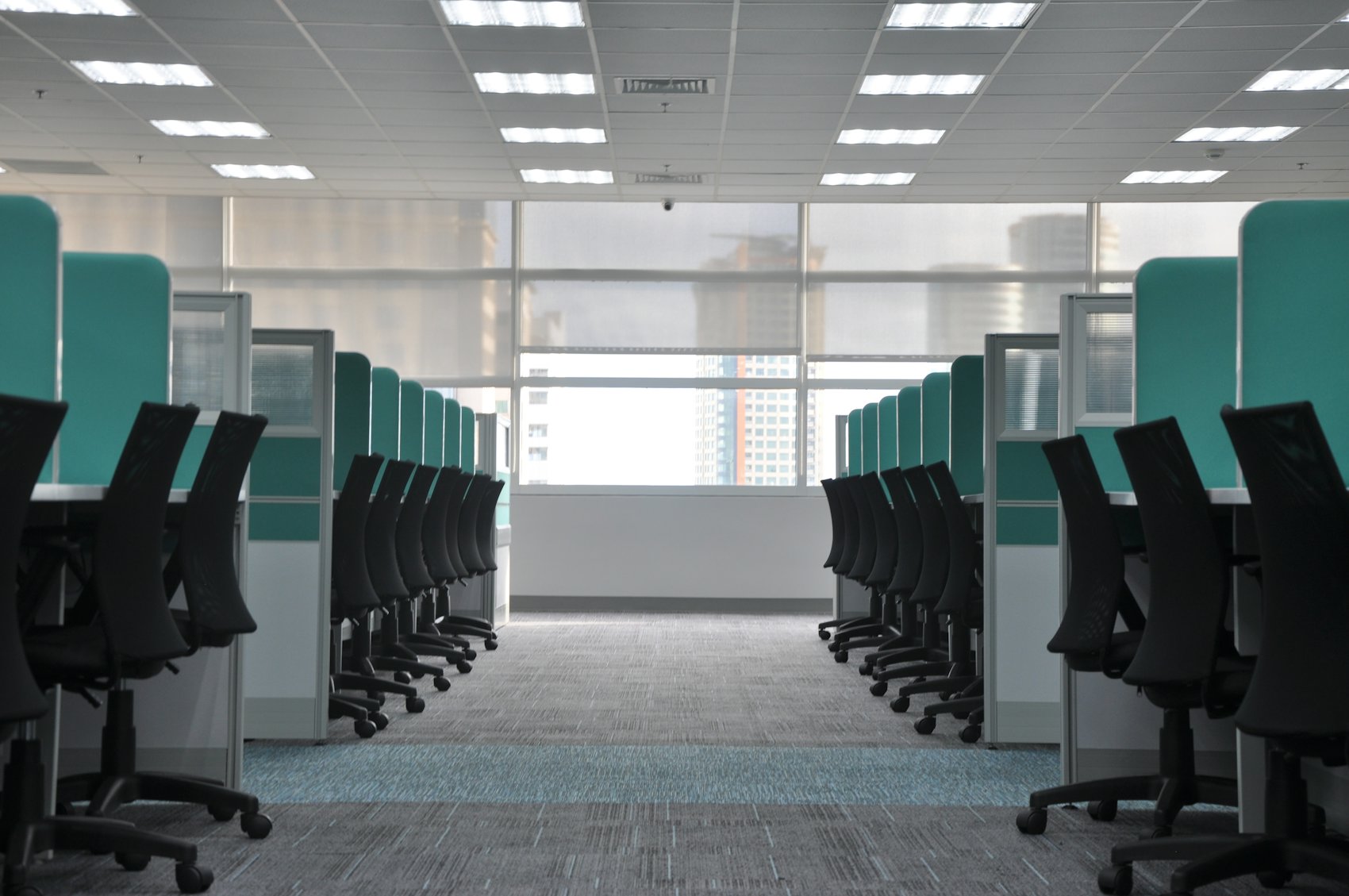
An office reconfiguration rarely starts with a design brief. It starts with a reorg email, a new hire plan, or a department that moved to three days a week. Suddenly one side of the floor is empty and another team is sharing desks. The goal is to rebalance the space quickly without buying furniture you will not need next year.
Here is a practical sequence that works for most offices, whether you are adjusting 10 stations or 200.
Step 1: Start with headcount, not furniture
Before you move a single panel, build a simple table of each team, its current headcount, its expected headcount in 12 months, and how often people are actually in the office. Your badge or booking data is better than anyone's guess.
Then decide on a seating model for each group:
- Assigned stations for people who are in four or five days a week.
- Shared or bookable stations for hybrid staff, usually at a ratio that matches real attendance on your busiest day.
- Collaboration space for teams that come in mainly to work together.
This step keeps you from recreating last year's floor plan with new names on it.
Step 2: Audit what you already own
Walk the floor and count. Note workstation sizes, panel heights, storage pieces, chairs and any damaged components. Photos of each area help later when you compare options or request an offer on surplus.
| What to record | Why it matters |
|---|---|
| Workstation footprint (for example 6'x6', 6'x8') | Tells you whether existing stations fit the new layout or need resizing |
| Manufacturer and product line | Matching pre-owned components is much easier within the same system |
| Panel heights and finishes | Mixed heights can work, but mismatched finishes stand out in open plans |
| Power and data locations | Moving stations away from existing feeds adds electrical cost |
| Condition of worksurfaces, pedestals and chairs | Worn pieces are candidates to sell or replace rather than reuse |
Step 3: Decide what to keep, sell and add
Compare your future seating plan against the inventory. Most reconfigurations land in one of three situations.
You have too much furniture
Shrinking or hybrid teams leave whole neighborhoods unused. Storing surplus stations costs you square footage, and furniture loses resale value as it ages. Selling it while it is still in demand is usually the better move.
Office Station gives you a written net offer: the resale value of the furniture minus the cost to remove it. A positive number means you are paid. You also get an itemized inventory, so you can see exactly what is leaving. Crews can work nights or weekends so the teams still using the floor are not disrupted.
Estimate what your surplus is worth
You need more stations
Growing teams need seats now, not after a six-week factory lead time. Pre-owned stations close that gap. Here is how the options compare for a 6'x6' workstation, furniture only:
| Option | Price per 6'x6' station | Typical lead time | Best for |
|---|---|---|---|
| Liquidation-grade | $615 | As little as 72 hours, in stock | Urgent seating, temporary teams, tight budgets |
| Remanufactured | $1,245 | Usually 7-14 days | A refreshed look at a lower cost than new |
| New | $1,920 | 4-6 weeks | Specific finishes or configurations |
Average market rate Prices subject to availability and project pricing.
Volume pricing applies at 5% off for 20 or more stations, 8% at 50 or more and 12% at 100 or more. Prices exclude electrical, delivery and professional installation. Installation is $95 per workstation with a $495 minimum.
You have the right amount in the wrong places
Sometimes the count is fine and the arrangement is not. Two teams that need to sit together are on opposite ends, or a row of 8'x8' stations would work better as 6'x6' to add seats. In this case you may sell a portion of the larger stations and add smaller pre-owned ones, which often costs less than you would expect once the offer on the surplus is factored in.
Step 4: Plan the layout before you order
Space planning is free with Office Station. Share your floor plan or a measured sketch, your team headcounts and any fixed items such as columns, electrical feeds and private offices. A plan shows how many stations fit at each size, where aisles fall, and which existing pieces can stay put.
Things to check while reviewing a plan:
- Aisles are wide enough for accessibility and fire code in your building.
- New stations can reach existing power and data, or you have budgeted for an electrician.
- Teams that collaborate daily are grouped together, with quieter roles away from high-traffic paths.
- You have left some flexibility, such as a few extra shared stations, for the next change.
Step 5: Schedule the physical work
Reconfiguration is a construction project in miniature. A little coordination avoids most problems:
- Confirm building rules for after-hours work, certificates of insurance, freight elevator reservations and dock time.
- Have teams clear personal items and files from stations that are moving or leaving.
- Book your electrician for the same window as installation if any feeds are changing.
- Send any retired computers and electronics through e-waste handling that provides certificates of data destruction.
- Walk the finished floor with the crew before signing off, and note any missing parts.
In Greater Phoenix, delivery is $195 to central locations and $295 metro-wide. Outside Phoenix, freight is quoted per project. If you are consolidating floors or moving to a new building at the same time, see our corporate relocation service, and if an entire suite is closing, office decommissioning covers the full clear-out through a broom-clean handback.
Plan for the next change
Teams will shift again. A few habits make the next reconfiguration easier: standardize on one or two workstation sizes, keep a written inventory up to date, and store a small number of spare components rather than whole stations. When your needs change again, you will know what you have and what it is worth.
For more planning help, browse our office guides or contact us at hello@officestation.com with your headcount and floor plan.
Frequently asked questions
How long does an office reconfiguration take?
It depends mostly on furniture lead time. Liquidation-grade workstations can be available in as little as 72 hours when in stock, remanufactured stations usually take 7-14 days, and new furniture typically runs 4-6 weeks. Planning, the walkthrough and scheduling the crew add a few days on top of that.
Can I sell the workstations we no longer need?
Often, yes. Office Station provides a written net offer that equals the resale value of your furniture minus the cost to remove it. If the number is positive, you get paid; if it is negative, you know the removal cost up front before you commit.
Should I buy new or pre-owned stations for a new team?
If your timeline is short or the team size is uncertain, pre-owned usually makes more sense. A 6'x6' workstation runs $615 liquidation-grade or $1,245 remanufactured versus $1,920 new, furniture only. New is a better fit when you need a specific finish or configuration that is not available pre-owned.
Do you help plan the new layout?
Yes. Space planning is free. Send your floor plan or measurements and your headcount by team, and we can lay out workstation counts and sizes before you order anything.
What is not included in workstation pricing?
Workstation prices are furniture only and exclude electrical, delivery and professional installation. Installation is $95 per workstation with a $495 minimum, and Greater Phoenix delivery is $195 central or $295 metro. Freight elsewhere is quoted per project.
Average market rate Prices subject to availability and project pricing.